El Trapiche, Archaeological site in Chalchuapa, El Salvador
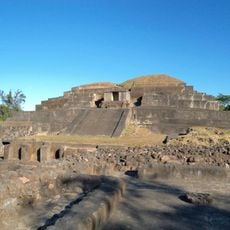
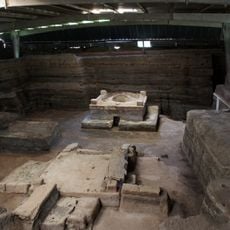
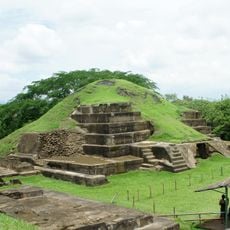
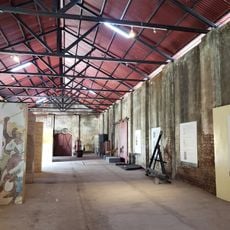
El Trapiche is an archaeological site in Chalchuapa containing numerous large and smaller stone structures from the early Maya period. The remains show different types of buildings and detailed stone carving work that gives insight into how the ancient settlement was organized.
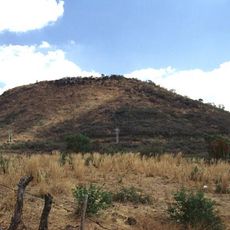
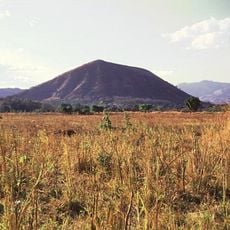
El Trapiche was occupied from around 1200 BCE, making it one of the earliest Maya sites in Chalchuapa. Its main pyramid, E3-1, rose about 22 m in a conical form resembling La Venta's Olmec pyramid, and the site peaked between 200 BCE and 200 CE. It declined from about 200 CE and was finally abandoned after the Ilopango caldera eruption, dated between the 4th and 6th centuries CE.
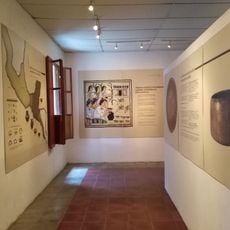
The site's ancient name is unknown; one hypothesis holds that the Olmec founded it as a trading post for cacao and metals, and Olmec influence persisted after Maya groups assimilated them. Stela 12 shows four figures in headdresses, necklaces and earrings holding staffs, likely symbols of authority. Stela I, with a large damaged glyphic text, led Ian Graham to suggest Maya writing may have originated here.
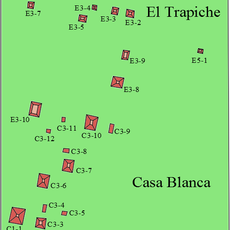
El Trapiche lies by the river of the same name, a tributary of the Pampe, on the outskirts of Chalchuapa; in the 1940s the land belonged to Finca San Antonio and Beneficio Las Victorias. Its roughly ten E3 structures formed one ceremonial and residential centre together with Casa Blanca, so both are seen on the same outing. The main pyramid's ramp climbs about 25 m from the south side up to the plaza level.
Stone sculptures with jaguar head designs and Maya inscriptions were discovered here, setting it apart from other places in the region. This ornamental work was rare in early Maya architecture and makes this location particularly worth noting.
The community of curious travelers
AroundUs brings together thousands of curated places, local tips, and hidden gems, enriched daily by 94,166 contributors worldwide.