Cumbal, Stratovolcano in Nariño, Colombia
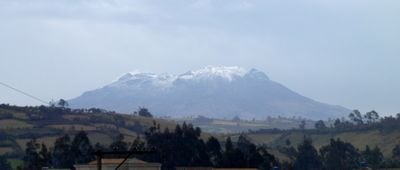
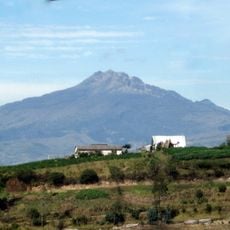
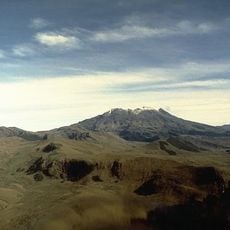
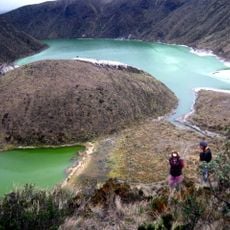
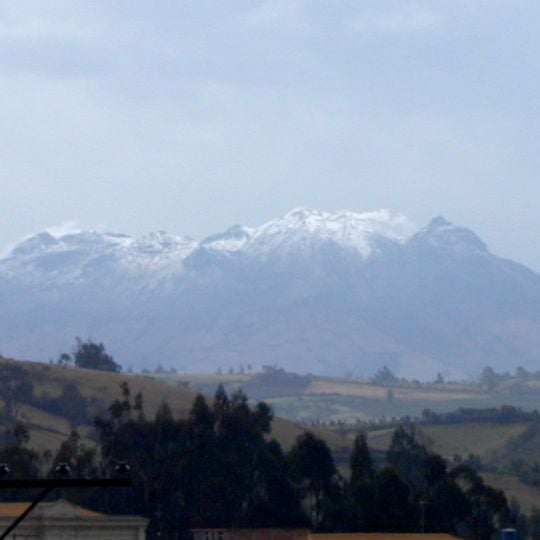
Cumbal is a stratovolcano at the Nudo de los Pastos in Nariño, Colombia, reaching 4,764 m, the highest point of the department. Its elongated complex, 17 by 12 km, results from two overlapping cones: La Plazuela, with a 600 m crater and the summit, and Mundo Nuevo, with a 200 m crater. Andesite dominates the edifice, and the Cumbal lagoon lies at its foot.
The volcano last erupted in December 1926, though Colombian geologists raised its alert status due to gas emissions in 2012. This activity indicates the volcanic system remains somewhat active.
Campesinos and Indigenous people still carry snow down from the summit to sell to ice-cream makers in Ipiales, who use it for paila ice cream and chupones, traditional preparations with reputed medicinal effects. Sulfur was long extracted from the fumaroles and crater by traditional mining methods.
The climb to the summit takes about four hours starting from Cumbal town, with the first part following a dirt road to La Ortiga before continuing on foot. Proper footwear and weather-appropriate clothing are important for the steep terrain.
The Mundo Nuevo crater within the volcanic complex holds a small remnant of ice that residents of Cumbal collect for local use. This frozen deposit is an unusual feature for the area.
The community of curious travelers
AroundUs brings together thousands of curated places, local tips, and hidden gems, enriched daily by 94,105 contributors worldwide.