San Pedro Cemetery Museum, National monument and burial site in Medellín, Colombia
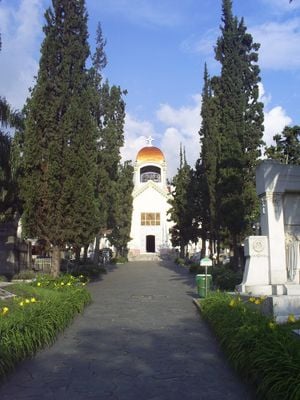
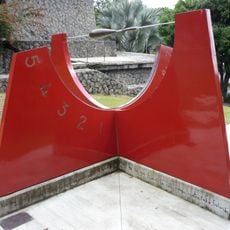
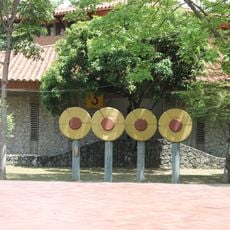
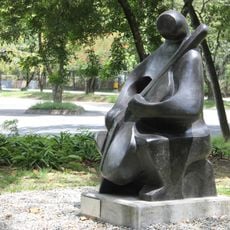
San Pedro Cemetery Museum is a burial ground and national monument in Medellín featuring hundreds of marble mausoleums and sculptures created by various craftspeople. The grounds are divided into distinct sections that reflect different eras and purposes, with pathways connecting areas of varying architectural styles and scales.
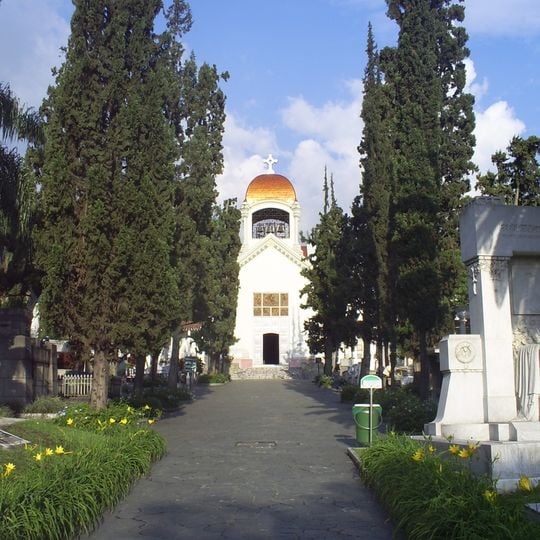
On 8 July 1842, Pedro Uribe Restrepo and prominent families of La Candelaria agreed to found a new cemetery, buying land on the El Llano ridge; the deed was signed on 30 September. First called El Cementerio Nuevo, it was renamed San Pedro in 1871. In the 1920s Agustín Goovaerts planned new constructions, and the chapel was built in 1929. It became a museum in 1998 and a national monument in 1999.
The cemetery was long called "the cemetery of the rich" or "the white city" because its founders were members of Medellín's commercial, political and intellectual elite, who filled it with Carrara marble mausoleums, most shipped from Pietrasanta, Italy. On full-moon nights the grounds host concerts, storytelling, theatre and dance.
The grounds are accessible on foot and easy to navigate, with clear pathways allowing visitors to explore at their own pace. Comfortable shoes are recommended since the terrain includes slopes and uneven surfaces throughout the site.
The chapel that stands today was built in 1929, not 1925; the Spanish source dates it that way, while the English article gives 1925 for Goovaerts's chapel. Inside, the altar and organ case were carved in wood by Luis Eduardo Arenas, and Rafael Sáenz made the stained glass with religious allegories.
The community of curious travelers
AroundUs brings together thousands of curated places, local tips, and hidden gems, enriched daily by 94,559 contributors worldwide.