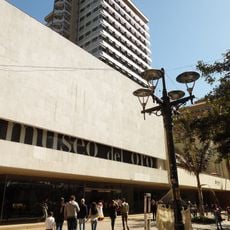
Museum of El Mar, Bogotá, Marine science museum in Santa Fe district, Bogotá, Colombia.
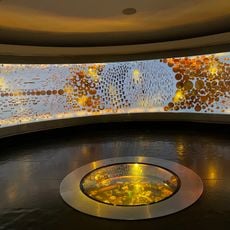
The Museo del Mar of the Universidad Jorge Tadeo Lozano in Bogotá holds more than a thousand taxidermied animals, skeletons and fossils, mostly authentic, shown in dry aquariums that imitate submerged environments. Its rooms reproduce rocky ecosystems, coral reefs, the pelagic zone, polar zones, mangroves, beaches and cliffs, and an animatronics room shows moving turtles, manta rays, dolphins and puffer fish.
Created in 1969 by the marine sciences faculty of the Universidad de Bogotá Jorge Tadeo Lozano, today the marine biology programme, the museum began as a teaching collection for students and to familiarise Bogotá residents with marine life. Its dry aquariums, taxidermy mounts, skeletons and fossils now form a collection of more than a thousand specimens, many donated by foreign governments, museums, graduates and researchers.
The museum's name comes from the sea it documents, and its rooms reproduce submerged and emerged ecosystems: rocky shores, coral reefs, the pelagic zone, polar zones, mangroves, beaches and cliffs. The library holds marine-biology titles described as unique in the country, and an animatronics room shows moving turtles, manta rays, dolphins and pufferfish.
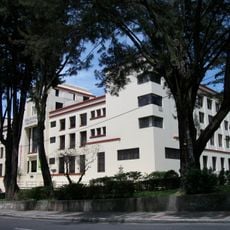
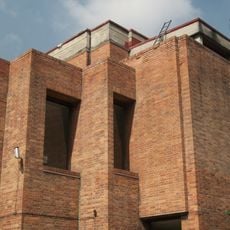
The museum occupies the Jorge Tadeo Lozano University building in the Santa Fe district of central Bogotá. Its rooms are arranged by ecosystem, from rocky shores and coral reefs to mangroves, beaches and cliffs, so follow the sections in order. The robotics and multimedia room, also called the animatronics room, is used for educational activities on topics such as coral adaptations, coastal geomorphology and global warming.
Some specimens were donated by foreign governments and museums, while others came from graduates of the Marine Biology programme and researchers over 30 years ago. The museum also has an animatronics room where turtles, manta rays, dolphins and pufferfish are shown moving, alongside topics such as coral adaptations, coastal geomorphology and global warming.
The community of curious travelers
AroundUs brings together thousands of curated places, local tips, and hidden gems, enriched daily by 92,799 contributors worldwide.