Casanare Province, Historical province in eastern Boyacá Department, Colombia
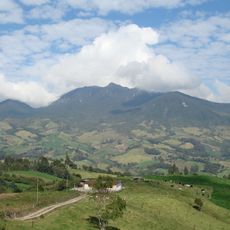
Casanare Province was a historical administrative division in eastern Colombia that covered vast plains and river landscapes. The territory encompassed diverse ecosystems centered around the Casanare River and numerous other waterways that shaped the natural environment.
The province was established during the Gran Colombia period in the early 19th century as part of the Boyacá Department formed in 1824. Administrative shifts occurred over time, including the relocation of the capital from Moreno to Paz de Ariporo.
Indigenous Guahibo and Saliba peoples made this region their home, developing distinct ways of life adapted to the river systems and plains. Their traditions and connection to the land shaped the cultural character of the area for centuries.
Visitors should prepare for flat terrain across the plains and understand the importance of river routes for navigation through the region. The dry season offers easier access to different areas and is the better time for exploration.
Artist Manuel María Paz created detailed watercolor paintings in 1856 that documented the Guahibo and Saliba communities, forming a visual record of their daily life. These works provide a rare window into how these peoples lived during that era.
The community of curious travelers
AroundUs brings together thousands of curated places, local tips, and hidden gems, enriched daily by 90,753 contributors worldwide.