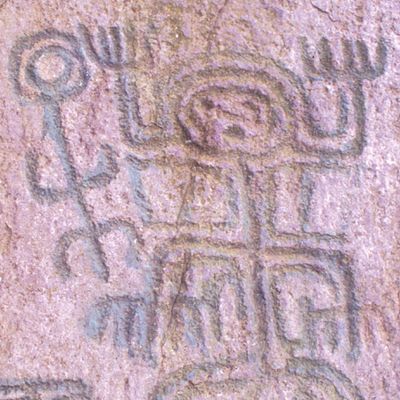
El Abra, Archaeological site in Zipaquirá, Colombia.
El Abra is a series of rock shelters stretching several hundred metres along a valley on the Altiplano Cundiboyacense, at 2,570 metres in the Eastern Ranges. The sandstone overhang lies in Zipaquirá and Tocancipá, Cundinamarca, and has yielded stone tools, bone implements and remains of Pleistocene animals.
Research in the 1960s documented evidence of human settlement reaching back roughly 12,000 years. The tools and bone material found indicate that people inhabited this mountainous area from very ancient times.
The name El Abra comes from a large hacienda at the foot of the western part of the rock formation. The site is known for the "abriense" tool tradition: flint tools and chopper cores left by hunter-gatherers. Nearby Tibitó, dated to about 11,400 years BP, yielded mastodon remains (Haplomastodon waringi and Cuvieronius hyodon) with traces of ritual ceremonies.
The eastern section has established paths and is easier to reach, while the western part sits on private land and requires special permission. Visitors should prepare for the high elevation and wear sturdy footwear.
The name El Abra comes from a large hacienda at the foot of the western part of the sandstone outcrop. That western side lies on private land, while the eastern face in Tocancipá is accessible and holds about 20 climbing routes, harder than those at Suesca because the rock overhangs.
The community of curious travelers
AroundUs brings together thousands of curated places, local tips, and hidden gems, enriched daily by 93,773 contributors worldwide.