Paja Formation, Geological formation in central Colombia
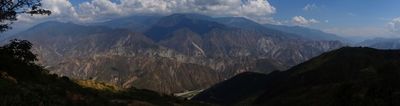
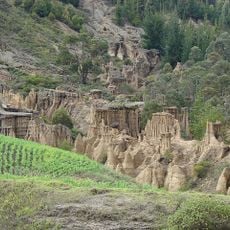
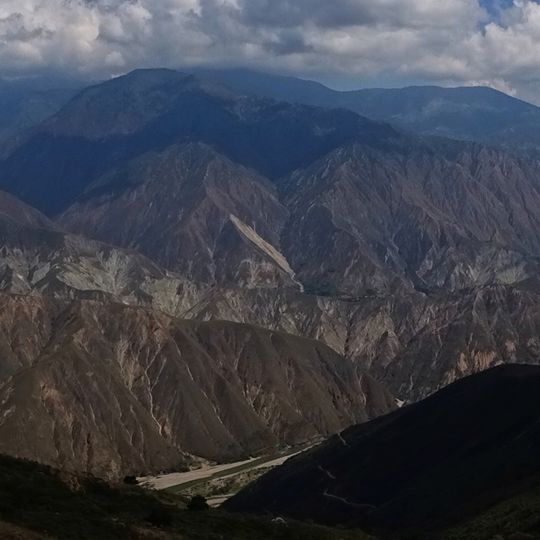
The Paja Formation spans hundreds of kilometers across several departments in central Colombia and consists of alternating layers of black shale, claystone, sandstone, and limestone concretions. These rock layers are extremely thick and reveal the complex geological history of the region.
This formation developed during the Early Cretaceous period, approximately 130 to 113 million years ago, when central Colombia was covered by a warm, shallow sea. The sediments that accumulated during this time recorded an important phase in the marine history of South America.
Scientists and researchers from Colombian institutions conduct regular field studies in the formation to document marine fossils and geological compositions.
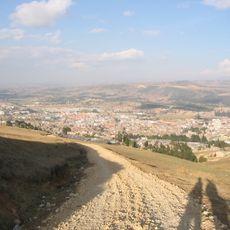
The formation is located in a mountainous region and is best accessed through guided geological field studies or organized research visits. Visitors should be prepared for variable weather conditions and bring appropriate gear for exploring this highland terrain.
Fossils of the sea turtle species Desmatochelys padillai were discovered within this formation, representing one of South America's oldest known marine turtle species. Preserved egg shells provide rare evidence of how these ancient marine reptiles reproduced and developed.
The community of curious travelers
AroundUs brings together thousands of curated places, local tips, and hidden gems, enriched daily by 91,699 contributors worldwide.