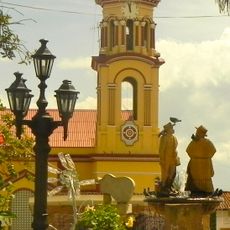
Candelaria Desert, Natural desert area in Boyacá Department, Colombia.
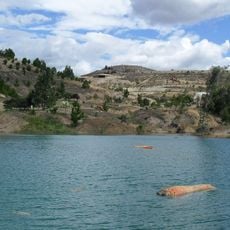
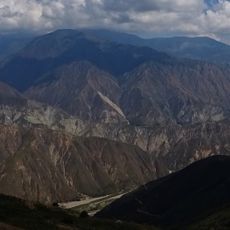
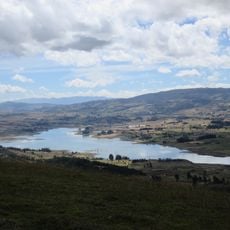
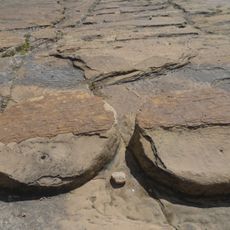
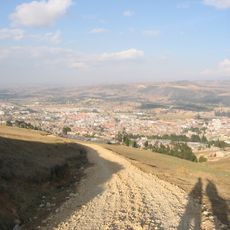
The Candelaria Desert is a semi-desert in a hollow in western Boyacá, crossed by a small river of the same name that drops from 2,600 to 2,000 metres above sea level. Its highly desertified badlands, also called Almas, lie 7 km northeast of Ráquira and 32 km southwest of Villa de Leyva, and the Candelaria Monastery stands within them.
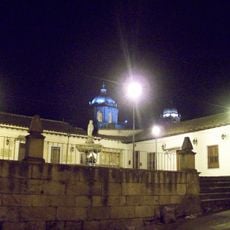
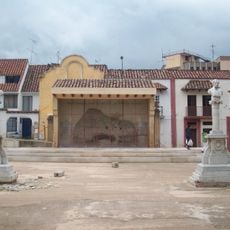
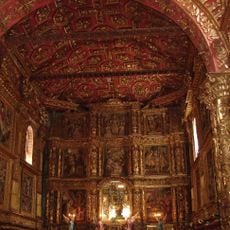
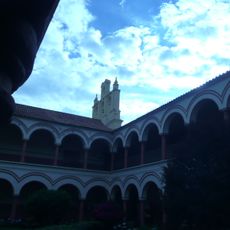
The Monastery of La Candelaria was built in 1604 by Recollect Augustinian friars, the first house of that order in the Americas, founded at the initiative of fray Mateo Delgado. It gathered inhabitants who lived scattered in nearby caves. At the end of the 19th century the geographer Felipe Pérez described the valley and the monastery in a text published in the third volume of Museo de cuadros de costumbres.
Pottery workshops near the desert have been part of the region's daily life for generations. Artisans there create ceramics that are sold in local markets and shape how the community sees itself.
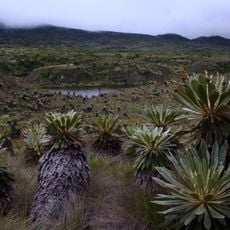
The desert lies 7 km northeast of Ráquira and 32 km southwest of Villa de Leyva, in a hollow crossed by the Candelaria river between 2,600 and 2,000 metres. Thick fog covers the grasslands and badlands at dawn, so early visits reduce visibility. The monastery's Posada San Agustín, in its outer section, offers lodging to visitors.
Despite the dry surroundings, corn, tomatoes, and fruit trees grow in the irrigated zones. This patchwork of crops and desert shows how people have learned to work with the region's difficult climate.
The community of curious travelers
AroundUs brings together thousands of curated places, local tips, and hidden gems, enriched daily by 94,701 contributors worldwide.