Plaza Real de Tunja, Neoclassical monument in Tunja, Colombia.
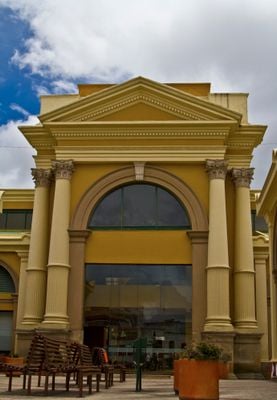
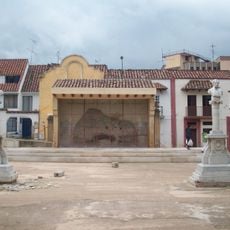
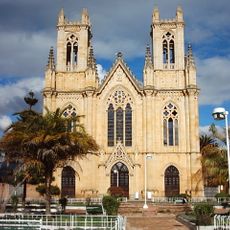
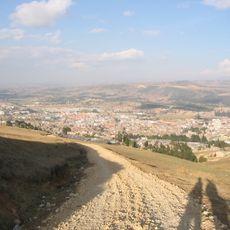
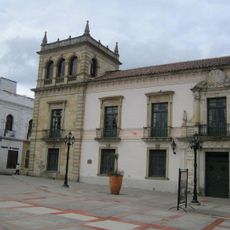
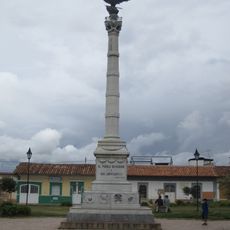
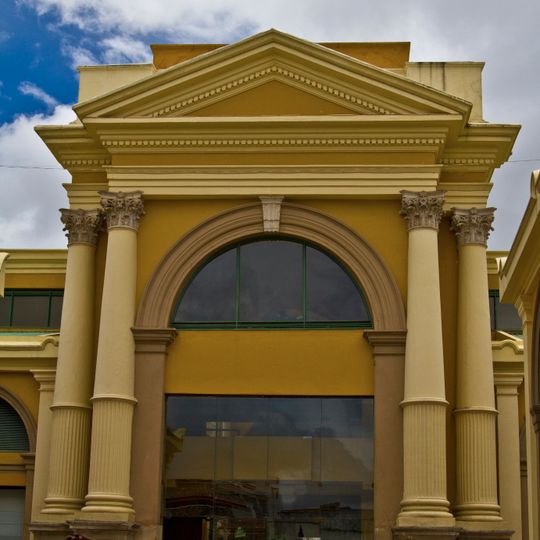
Plaza Real de Tunja is a neoclassical monument in Colombia's Andes region featuring multiple pavilions arranged around a central courtyard. The structure combines domed and pyramid-shaped roofs with columned arcades and decorative details, while commercial spaces occupy the ground level and office areas fill the upper floors.
The central building was completed in 1919 to commemorate the Battle of Boyacá, while additional wings were gradually added through 1939. This phased expansion reflected the city's growing importance during the first half of the 20th century.
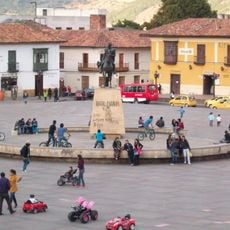
The plaza functions as a social gathering point where locals and visitors naturally congregate in the arcaded spaces and open areas throughout the day. It serves as a civic meeting place that reflects how Colombian communities blend public commerce with civic pride in shared spaces.
The plaza is easy to reach on foot and its central location makes it a natural starting point for exploring the city. The covered arcades provide shelter from rain and sun, allowing visitors to spend time there comfortably regardless of weather.
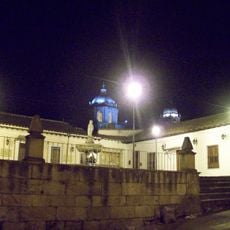
The distinctive domed roof was designed after the Monte Carlo Casino, bringing an unexpected European architectural reference to this Andean city. This surprising connection shows how global influences flowed into Colombian architecture in the early 20th century.
The community of curious travelers
AroundUs brings together thousands of curated places, local tips, and hidden gems, enriched daily by 60,000 contributors worldwide.