Hunzahúa Well, Pre-Columbian monument in Tunja, Colombia
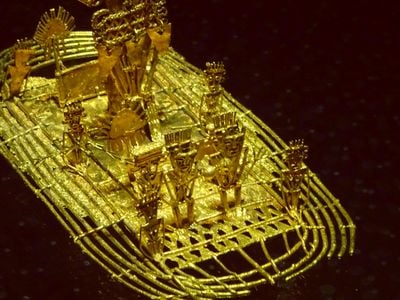
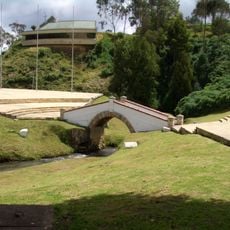
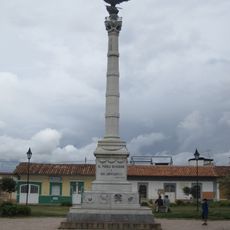
Hunzahúa Well is a stone-bordered pool of cold, deep water on the campus of the Pedagogical and Technological University of Colombia in Tunja. Around it are stone paths, bohíos and some columns of the legendary solar temple of Goranchacha, pre-Columbian monoliths. On the islet is a miniature replica of the park.
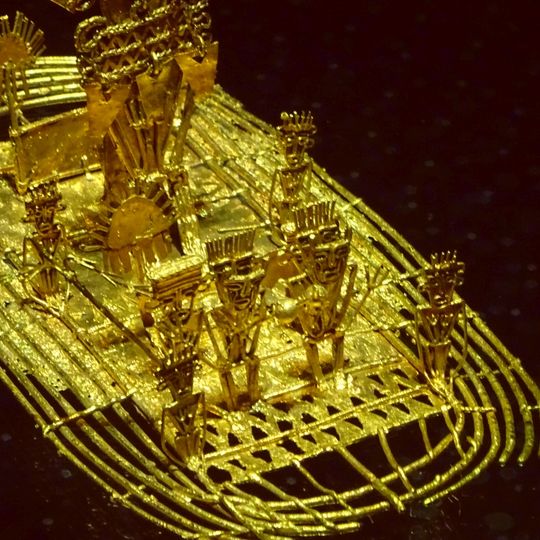
The well formed part of the sacred site of Hunza, capital of the Muisca zaque, and is named after Hunzahúa, the first zaque of Hunza. In the 16th century, zaque Quemuenchatocha ordered his people to throw gold and emeralds into the well as the Spanish arrived. In the 17th century, captain Jerónimo Donato de Rojas tried without success to drain it, and it was long called Pozo de Donato.
The well is named after a Muisca leader whose story continues to be told in local traditions and oral histories. Local people see this place as a reminder of how the Muisca civilization marked sacred sites in their territory.
The site is accessible during regular university operating hours and can be reached by public transportation from downtown Tunja. Visitors should enter through the campus entrance and look for the marked archaeological site without disturbing university facilities.
The well is also called Pozo de Donato, after Jerónimo Donato de Rojas, the 17th-century Spanish captain who tried to drain the lagoon to recover Quemuenchatocha's gold and failed. Local legend holds that the pool is bottomless or linked by a tunnel to Tunja's cathedral.
The community of curious travelers
AroundUs brings together thousands of curated places, local tips, and hidden gems, enriched daily by 93,803 contributors worldwide.