Parque Zoológico Chorros de Milla, Zoological park in Mérida, Venezuela
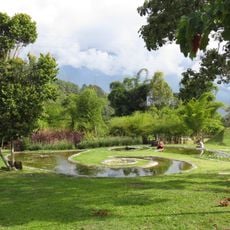
Parque Zoológico Chorros de Milla is an urban zoo at 1,850 m in northeastern Mérida, Venezuela, on 10 hectares crossed by the Río Milla. It keeps native Andean and Venezuelan species, with artificial lagoons, stairways, paths, kiosks, picnic areas and about 2,000 plant species. At its north end the river forms the Cascada Tibisay.
Mérida's zoo opened in 1952 on 10 hectares at 1,850 m on the northeastern edge of the city, according to the Spanish-language record; the English article gives 1958. In 1989 it received the Andean bear cub "Coqui" from forests near El Charal, which died in 1991. In 2000 it housed two Andean condors whose chick, Nareupa ("Path of the Sun"), was the first hatched in Venezuela since the species was declared extinct there in 1965.
The Milla River that gives the park its name carries a legend recorded by Tulio Febres Cordero: its waters sprang from the tears of the princess Tibisay, mourning the cacique Murachí, and the park's main waterfall bears her name, Cascada Tibisay. The zoo also runs the Proyecto Danta tapir breeding programme with the male Pijiguao and female Simona, and the Andean condor project that produced Nareupa, the first condor hatched in Venezuela since its extinction there in 1965.
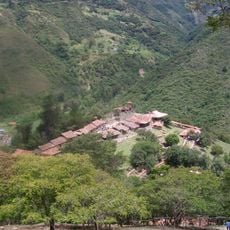
The park sits at 1,850 m above sea level in a cloud-forest valley at the northeastern edge of Mérida, with a mild average temperature of 18 °C. Paths, stairways and the walk to the Tibisay waterfall involve slopes, so sturdy shoes help. The grounds cover 10 hectares along the Milla River.
The waterfall at the park's north end is named Cascada Tibisay after the princess of a local legend: the Milla River is said to have formed from her tears for the chief Murachí, who died fighting the Spanish. The story was recorded by Tulio Febres Cordero in his tale of the conquest of Mérida.
The community of curious travelers
AroundUs brings together thousands of curated places, local tips, and hidden gems, enriched daily by 94,482 contributors worldwide.