Anahuacalli Museum, Pre-Hispanic art museum in Coyoacán, Mexico
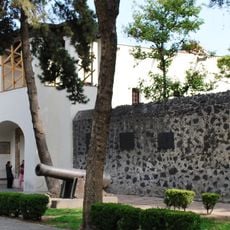
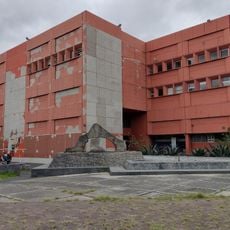
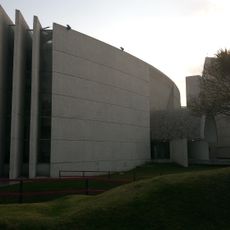
The Anahuacalli Museum displays objects from pre-Hispanic civilizations in a building made from black volcanic stone that echoes Mesoamerican architecture. The collection includes ceramics, stonework, and jewelry spanning several centuries before the arrival of the Spanish.
Diego Rivera began collecting pre-Hispanic artworks in the late 1930s and then designed a museum to house them. Construction continued after his death in 1957 and was completed seven years later.
The name comes from the Nahuatl language and means "house between waters," referring to the ancient landscape of the Valley of Mexico. Visitors walk through rooms where ceramic figures, masks, and sculptures are organized by region and deity.
The museum sits south of the city center and is best reached by car or taxi, as public transport is limited. Plan at least two hours to explore the halls and outdoor area.
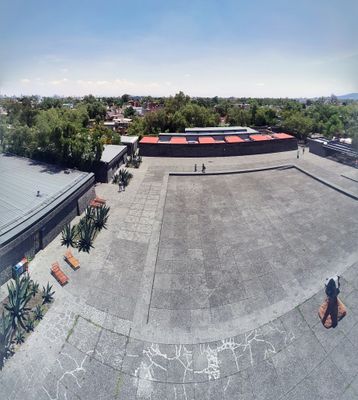
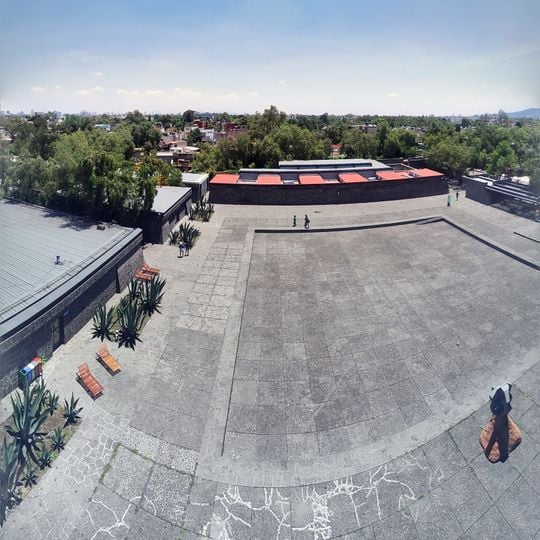
The rooftop holds a mosaic garden designed by Dolores Olmedo with native plants and stone pathways that offer a view over the surroundings. The building used rock quarried directly from nearby Xitle volcano, whose eruption buried the city of Cuicuilco in 100 BC.
The community of curious travelers
AroundUs brings together thousands of curated places, local tips, and hidden gems, enriched daily by 60,000 contributors worldwide.