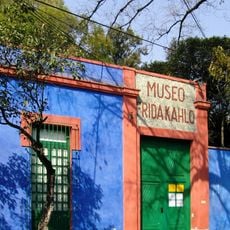
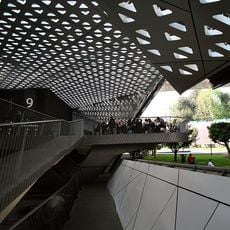
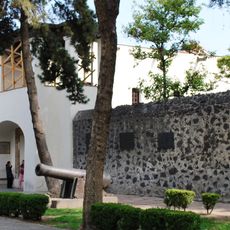
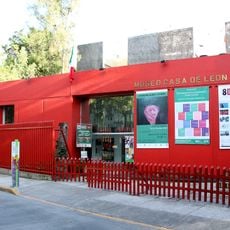
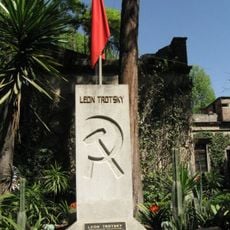
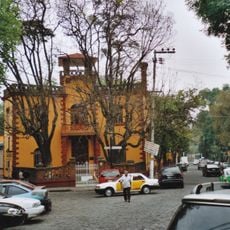
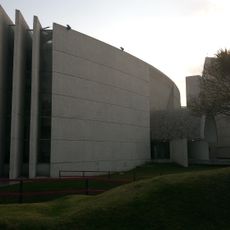
La Candelaria Coyoacán, Historic residential district in Coyoacán, Mexico City, Mexico.
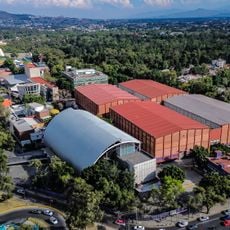
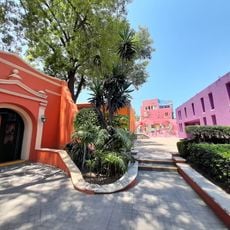
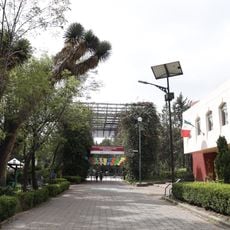
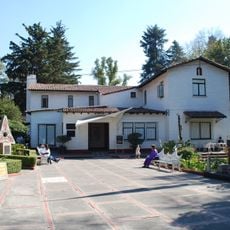
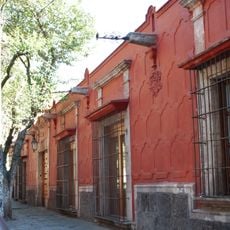
La Candelaria Coyoacán is a residential zone in Mexico City featuring narrow cobblestone streets and centuries-old colonial structures that define the neighborhood's character. Small markets and traditional food vendors are scattered throughout, creating a lived-in community feel.
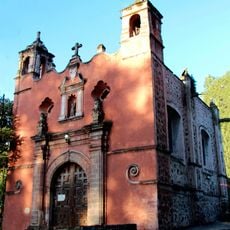
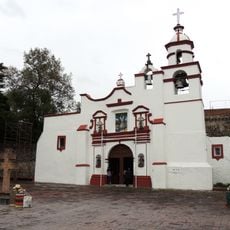
La Candelaria formed from three Tepanec tlaxilacalli: La Candelaria Macuitlapilco, San Lorenzo Chinampan and Santa Cruz. Its first chapel was an open visita chapel, probably begun in the second half of the 16th century and finished around 1582, with its door facing east. Around 1930 the San Buenaventura stream still marked the village edge before being piped under Avenida División del Norte. The present parish church was built between 1952 and 1970.
The name La Candelaria Chinampan Macuitlapilco comes from Nahuatl: chinampan means "on the chinampas" and Macuitlapilco is linked to Amacuitlapilco, "of the ducks." The village formed from three Tepanec tlaxilacalli: La Candelaria Macuitlapilco, San Lorenzo Chinampan and Santa Cruz. Its flower-growing past earned it the nickname "La bella Cande."
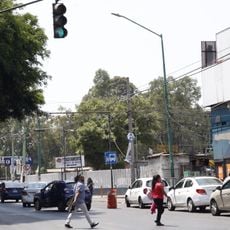
The irregular alleys and streets still follow the old chinampa and ditch layout, so orientation is easier from the Parroquia de la Candelaria. The former San Buenaventura stream now runs underground beneath Avenida División del Norte, marking the old lakeward edge of the pueblo.
The old chapel's wooden altar and bell tower survive, moved stone by stone to a separate structure beside the current parish church, which was built between 1952 and 1970. Locals are said to have widened cracks after the 1952 earthquake to justify a larger temple.
The community of curious travelers
AroundUs brings together thousands of curated places, local tips, and hidden gems, enriched daily by 93,870 contributors worldwide.