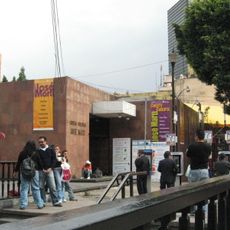
Museo Nacional de San Carlos, European art museum in Cuauhtémoc, Mexico
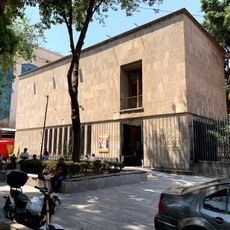
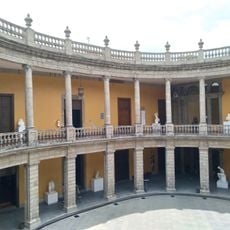
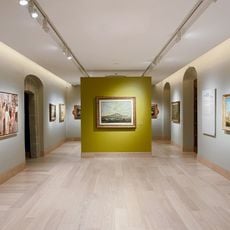
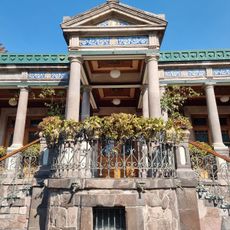
The Museo Nacional de San Carlos occupies a neoclassical palace and displays paintings, sculptures, and tapestries created by European artists spanning the 14th to 20th centuries. The building's rooms and architectural details form an integral backdrop to the artworks on display.
The palace was commissioned by María Josefa Rodríguez de Pinillos, second Marchioness of Selva Nevada, as an inheritance for her son José Gutiérrez del Rivero, Count of Buenavista, who died of malignant fever in 1797 at age 23 before living there. Construction ran from 1798 to 1805 and the design is attributed to Manuel Tolsá. In the 20th century it housed the Tabacalera Mexicana offices, the National Lottery and Preparatoria No. 4; it was ceded to INBA in 1966 and opened as a museum in 1968, becoming national in 1994.
The collection began at the Real Academia de las Tres Nobles Artes de San Carlos, founded in 1781, where European paintings and casts served as models for students. Gérard Seghers, Juan Carreño de Miranda, David Teniers, José de Ribera and Pedro de Campaña appear among early holdings. In September 2025 a Holy Family was confirmed as a work by Sandro Botticelli, part of a larger lost composition.
The museum is at Puente de Alvarado 50, Colonia Tabacalera, in the Cuauhtémoc borough, a short walk from the Centro Histórico. It opens Tuesday to Sunday from 10 am to 6 pm and is closed on Mondays. Admission is free, so no ticket purchase is needed. The entrance faces Avenida México-Tenochtitlan, the old Puente de Alvarado.
The library and auditorium occupy a separate building that architect José Luis Benlliure added on the land between the palace and Calle Manuel Ramos Arizpe. The museum's European holdings began as teaching models for the Academy of San Carlos, founded in 1781.
The community of curious travelers
AroundUs brings together thousands of curated places, local tips, and hidden gems, enriched daily by 94,303 contributors worldwide.