Chimalistac, Historic residential district in Mexico City, Mexico
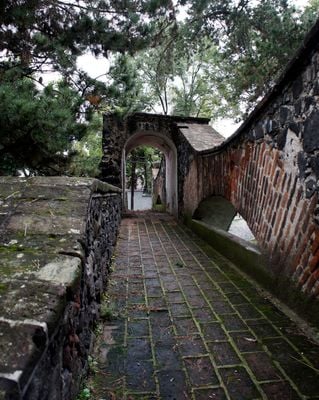
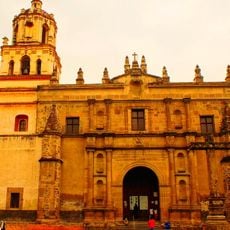
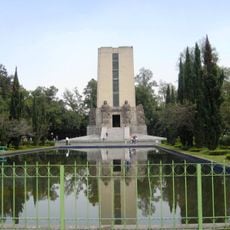
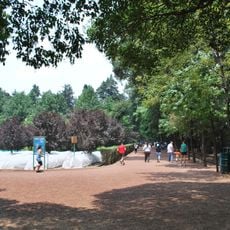
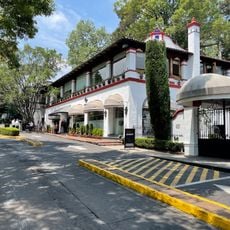
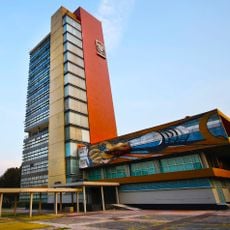
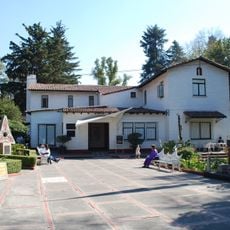
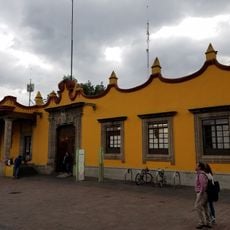
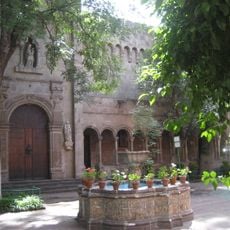
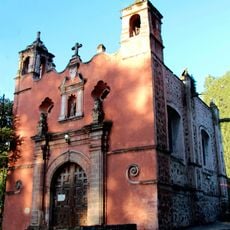
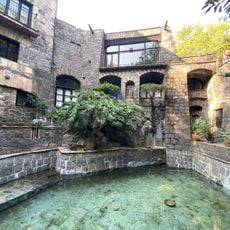
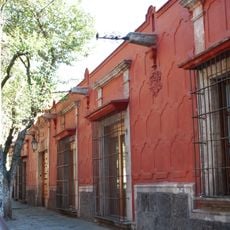
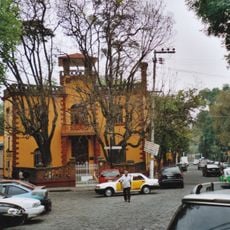
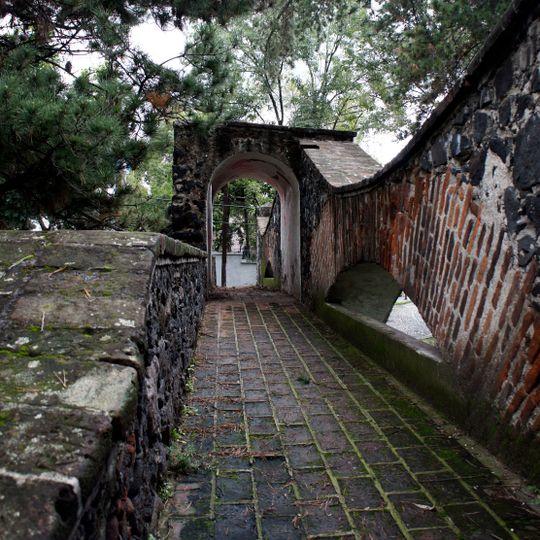
Chimalistac is a residential neighborhood in Mexico City characterized by narrow cobblestone streets, traditional houses, flowering gardens, and colonial architecture throughout its layout. The area flows gently with varied elevations and connects to neighboring districts while maintaining its own distinct streetscapes and local stone construction that reflects its historical roots.
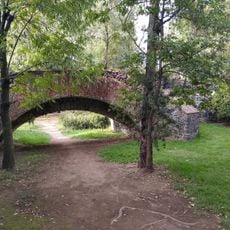
The name derives from Temalistac, meaning 'place where sacrificial stones are made,' referencing the area's role as a quarry during Aztec times. Colonial stone bridges built by Carmelite friars cross former waterways that no longer flow but remain as defining landscape features.
Local residents maintain the colonial character of their homes and streets, creating a lived-in neighborhood where traditional lifestyles remain visible. The way gardens and courtyards blend with the architecture shows how families here have adapted the past to modern living.
The neighborhood sits near the Metrobus La Bombilla station and links to San Angel and Coyoacan through multiple transport routes. Wear comfortable shoes as cobblestone streets are uneven and some areas have slopes that make walking more demanding.
The neighborhood served as the filming location for Mexico's first talking motion picture in 1930, a turning point for national cinema. This milestone placed local streets at the center of an artistic shift that would shape Mexican film for decades to come.
The community of curious travelers
AroundUs brings together thousands of curated places, local tips, and hidden gems, enriched daily by 92,605 contributors worldwide.