Estadio Nacional, Multi-use stadium in Colonia Roma, Mexico City.
Estadio Nacional is a multi-use sports venue in Colonia Roma with a U-shaped design featuring lateral stands and an athletics track encircling the central field. The structure originally held about 60,000 spectators before being downsized to 30,000 seats to accommodate football matches, track events, and public gatherings.
The stadium was constructed in 1923 under architect José Villagrán García and hosted the inaugural Central American and Caribbean Games in 1926. It became a significant venue for Mexico's emerging sports culture during the early twentieth century.
The facade, on the curve side, was decorated by Diego Rivera with human figures representing will and clairvoyance, along with the sun and the Solomonic symbol. The stadium was inaugurated on 5 May 1924 with a civic school festival in which all the capital's schools took part.
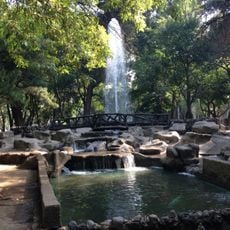
The stadium stood at the junction of Jalapa, Orizaba and Yucatán streets in Colonia Roma, with its decorated facade on the curved end. The rear side opened onto adjoining baseball and football fields, so spectators entered from the street side and moved around the semicircular head. The site is now the Ramón López Velarde garden, near the Jalapa school built in 1922.
The stadium was built on the grounds of the abandoned La Piedad municipal cemetery, which the government had ceded to the Secretariat of Public Education; in 1922 Carlos Obregón Santacilia built a neocolonial school on Jalapa Street there before the stadium rose on the same plot.
The community of curious travelers
AroundUs brings together thousands of curated places, local tips, and hidden gems, enriched daily by 95,352 contributors worldwide.