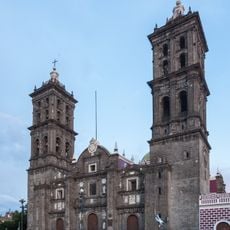
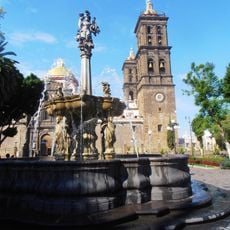
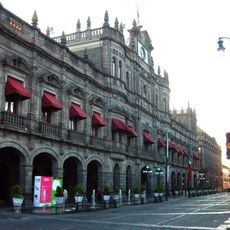
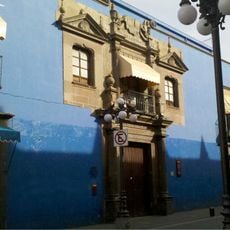
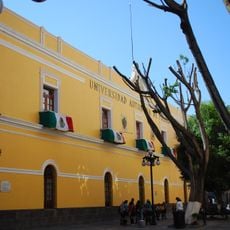
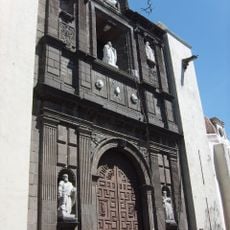
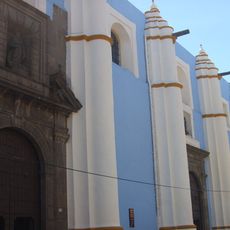
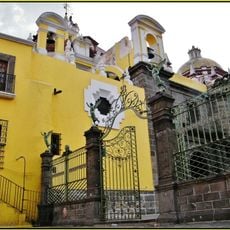
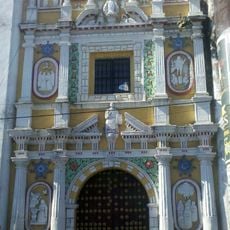
Conventual Temple of Our Lady of Mount Carmel, Baroque convent in Historic Center of Puebla, Mexico.
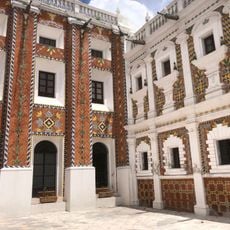
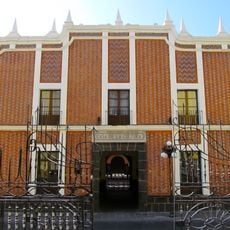
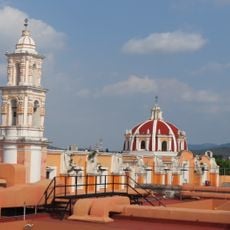
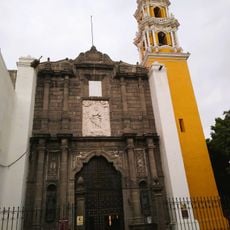
The Conventual Temple of Our Lady of Mount Carmel is a Baroque structure with white walls and elaborate stone carvings across its facade in Puebla's historic center. Multiple domes rise above the main building, creating a visually distinct silhouette that marks the skyline.
This complex was built in the 17th century as a major center for Carmelite religious activities during the colonial period. It served as a key location for spiritual education and monastic life in Puebla.
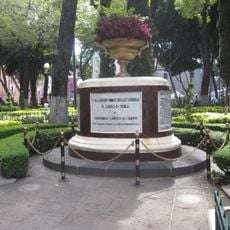
The temple's name comes from Mount Carmel in Israel, called "vineyard" in Hebrew, and the Carmelites brought pear trees from their San Ángel farm and introduced alfalfa to Puebla. The patronal feast is held on July 16. The former cemetery of Santa María del Carmelo, founded in 1844, stood across the street.
The temple is accessible daily and located within walking distance of Puebla's main plaza and other historic sites. Morning visits offer a quieter experience, and visitors should wear respectful clothing when entering religious spaces.
The convent once owned pear orchards whose fruit came from trees brought from the Carmelite farm at San Ángel near Mexico City, and the friars sold the pears. Hugo Leicht also links the order's Hebrew name Carmel, "vineyard", to its farming: the Carmelites are credited with introducing alfalfa to Puebla, unknown there until the late 18th century.
The community of curious travelers
AroundUs brings together thousands of curated places, local tips, and hidden gems, enriched daily by 95,243 contributors worldwide.