Tomb of the Red Queen, Royal Maya tomb in Palenque, Mexico
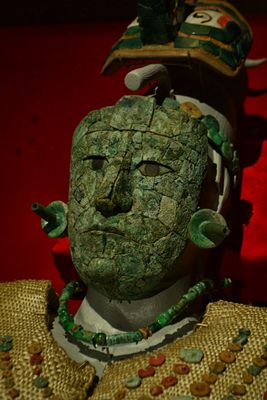
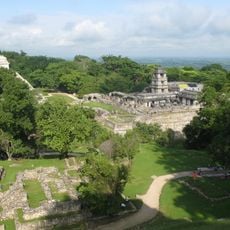
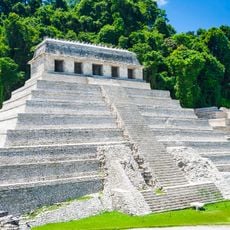
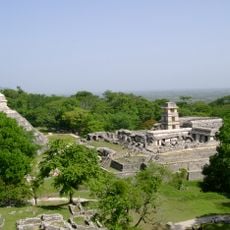
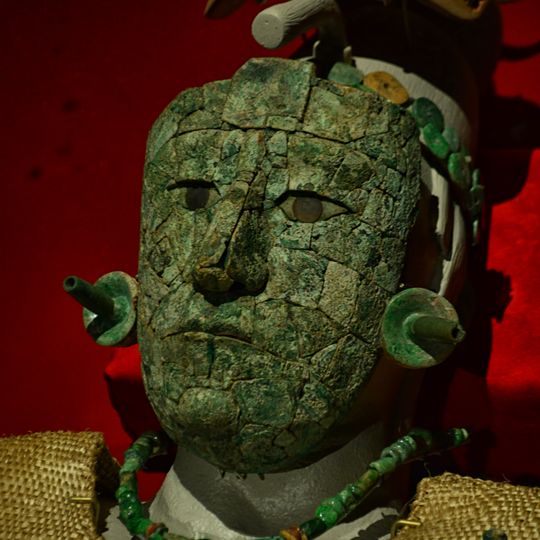
The Tomb of the Red Queen sits within Temple XIII at the Palenque archaeological site and holds a limestone sarcophagus containing the remains of a high-ranking Maya woman. The burial structure includes multiple connected chambers, with the main room housing the sarcophagus and two additional spaces holding offerings and other burials.
Archaeologists opened the chamber in 1994 during excavations at the temple complex and found inside the remains of a woman aged around 50 to 60 years along with two other bodies. Later analysis of bone structure and grave goods suggests the burial took place shortly after the death of King Pakal in the seventh century.
The name comes from the cinnabar powder that covered the remains entirely, a practice in Maya burials that symbolized power and divine connection. Visitors today can see a reconstruction of the burial chamber in the museum area of Palenque, showing how the grave goods were originally arranged around the sarcophagus.
The original entrance to the burial chamber is not open to visitors to protect the delicate remains and wall paintings. Information panels along the route to Temple XIII explain the significance of the site, while the onsite museum displays detailed replicas and finds from the burial chamber.
Analysis of strontium isotopes in the woman's teeth shows she grew up in the area around Palenque, pointing to local origins. These chemical clues supported the theory that the burial belongs to Tz'akbu Ajaw, the wife of King Pakal.
The community of curious travelers
AroundUs brings together thousands of curated places, local tips, and hidden gems, enriched daily by 92,124 contributors worldwide.