Carville, human settlement in Louisiana, United States of America
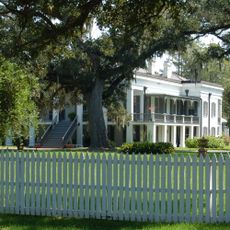
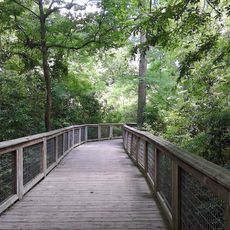
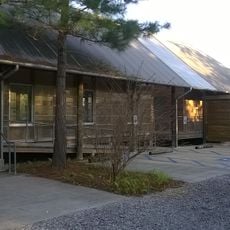
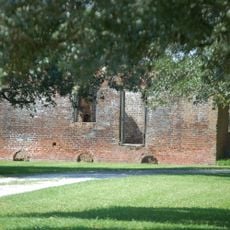
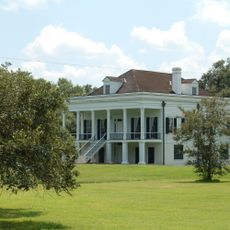
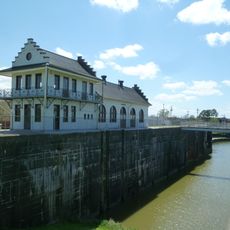
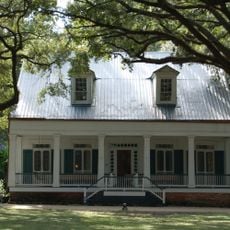
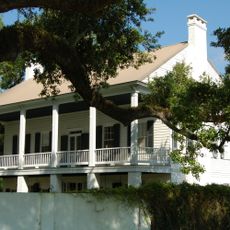
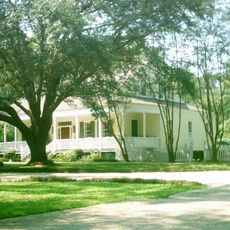
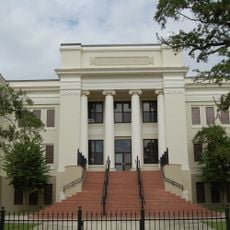
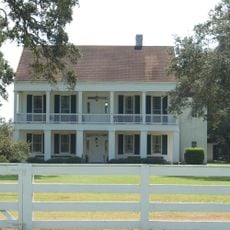
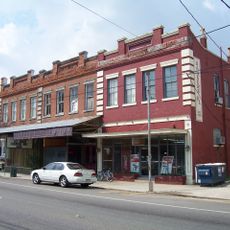
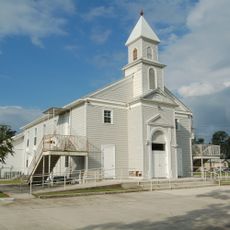
Carville is a small community in Iberville Parish, central Louisiana, centered around a former federal health hospital built in the late 1800s. The site sits on former plantation land and contains original buildings along with structures added for patient care, including wide walkways designed for people with mobility challenges.
The original plantation was established in 1894 and later became home to a leprosy treatment hospital created by the federal government in 1917. The site remained an active treatment facility until 1981, when it transitioned into a research and educational center as Dr. Guy Henry Faget developed breakthrough drugs that made the disease curable.
The name Carville honors Louis Arthur Carville, a local figure whose family shaped the area. The community developed its own culture where patients published newspapers, created crafts, and organized annual celebrations like Mardi Gras to reduce stigma and share their stories with visitors and residents.
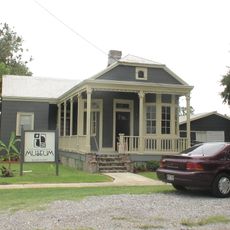
The site is most easily reached from Baton Rouge to the north, accessed via a road running along the Mississippi River. Visitors can explore the National Hansen's Disease Museum, open Tuesday through Saturday, which offers free admission to exhibits and can arrange guided tours by calling ahead.
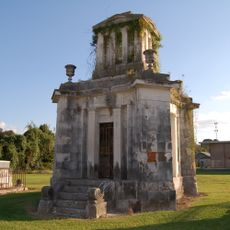
Patients became productive members of the community by using bicycles and tricycles on specially built paths, while also crafting specialized footwear and artificial limbs for others. An on-site historic cemetery contains headstones of former patients, with the most recent dating to 2018, showing the deep connection people maintain to this place's history.
The community of curious travelers
AroundUs brings together thousands of curated places, local tips, and hidden gems, enriched daily by 92,595 contributors worldwide.