Blakeley, human settlement in Alabama, United States of America
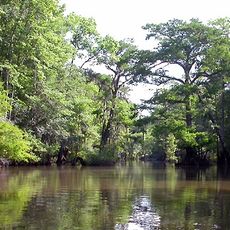
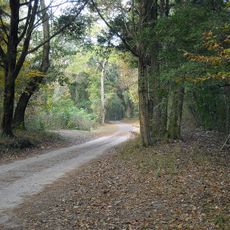
Blakeley is a ghost town and archaeological site in Baldwin County where a once-thriving river port now shows only ruins and street outlines beneath the forest. Large oak trees, an old cemetery, and scattered stone remains mark where buildings once stood.
Josiah Blakeley, a Connecticut entrepreneur who moved to Mobile in 1806, bought 7,000 acres and had the town laid out in 1813; the Mississippi Territorial Legislature authorized it on January 6, 1814. Blakeley served as Baldwin County's seat from 1820 to 1868 and competed with Mobile thanks to a deep natural port. Yellow fever and real-estate speculation pushed residents toward Mobile from the 1830s, and in April 1865 Union soldiers overran the Confederate fort here.
Blakeley reflects the presence of Native Americans, French settlers, and the Christian Apalachee who lived here across centuries. The old cemetery and remaining oak trees serve as markers of how different communities shaped this place over time.
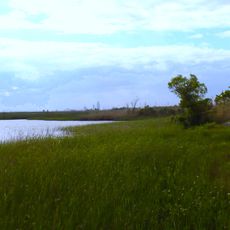
Historic Blakeley State Park, created in 1981, lies north of Spanish Fort and preserves the ghost town and Fort Blakeley earthworks. Trails lead through the wooded site to the Tensaw River and the old town grid; the ground is uneven, so allow several hours and wear sturdy shoes.
Blakeley's deep natural port could take ships that could not cross the Dog River bar, a sandbar that sometimes blocked access to Mobile; for some years the town competed with Mobile as the leading port of what was then the Alabama Territory.
The community of curious travelers
AroundUs brings together thousands of curated places, local tips, and hidden gems, enriched daily by 94,217 contributors worldwide.