Cedar Haven, human settlement in Alabama, United States of America
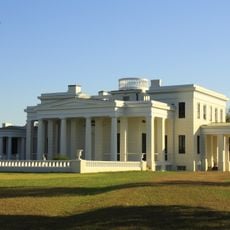
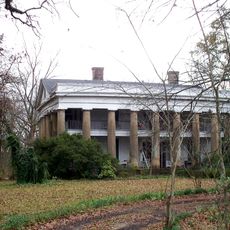
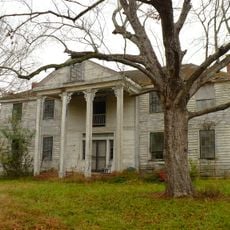
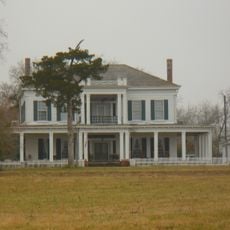
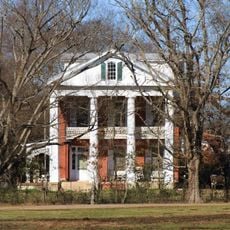
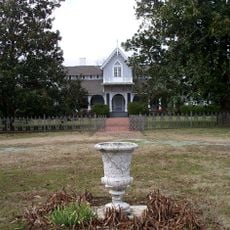
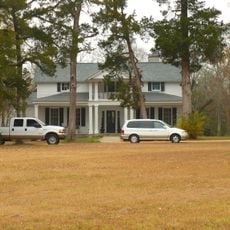
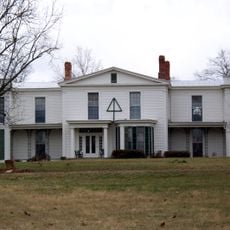
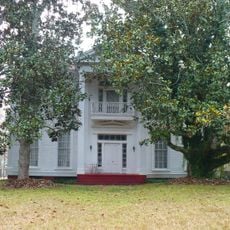
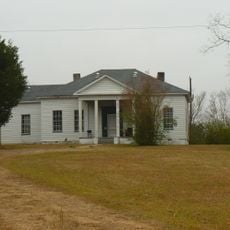
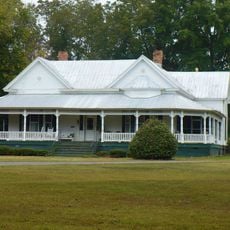
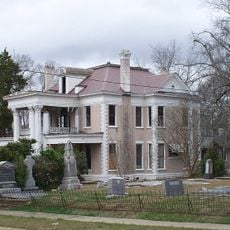
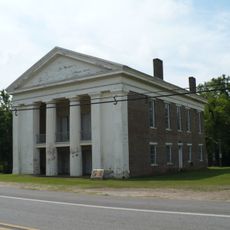
Cedar Haven is a Greek Revival mansion built around 1850 near Faunsdale, Alabama. The house featured four massive Doric columns at the front, symmetrical window placement, and spacious rooms designed for both formal entertaining and daily living.
Cedar Haven was built by Phillip J. Weaver, a Pennsylvania-born merchant and planter who moved to Alabama in the early 1800s. After Weaver's death in 1865, the house passed to John Davidson Alexander and later to his son Houston, linking it to the broader plantation history of the region.
Cedar Haven reflected the social structure of a plantation community through its physical design and layout. The grand columns and formal arrangement conveyed the wealth and status of its owners within regional society during the 1800s.
The site is now a historic location only, as the original building was demolished in the 2000s. Visitors can learn about the history through its 1993 National Register listing and available historical records to understand the architecture and plantation setting.
Phillip J. Weaver, who built Cedar Haven, shaped the area not only as a plantation owner but also as a merchant who influenced the surrounding community's development. His legacy remains connected to Alabama's regional economic history.
The community of curious travelers
AroundUs brings together thousands of curated places, local tips, and hidden gems, enriched daily by 91,250 contributors worldwide.