Copiapó volcano, Stratovolcano in Atacama Region, Chile.
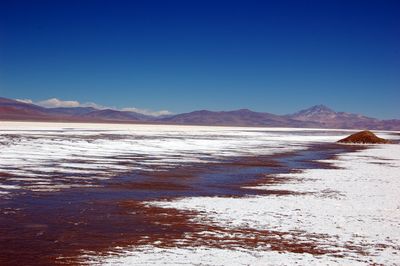
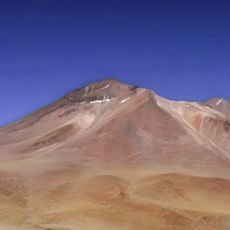
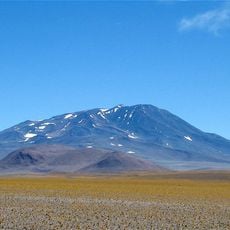
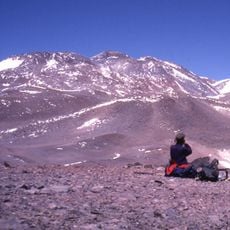
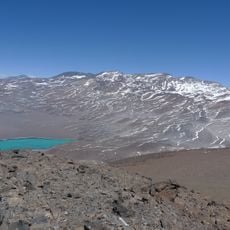
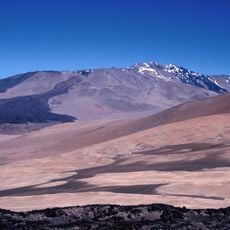
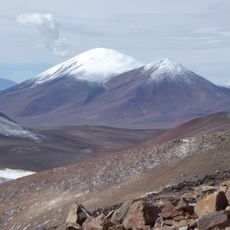
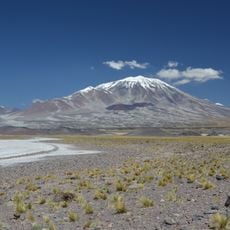
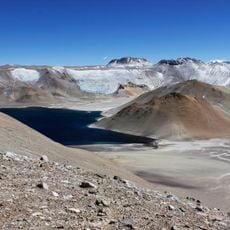
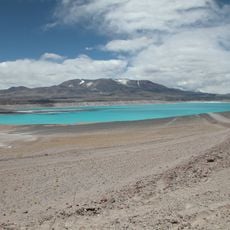
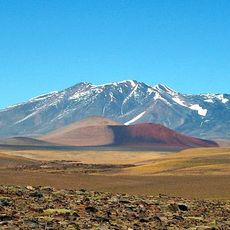
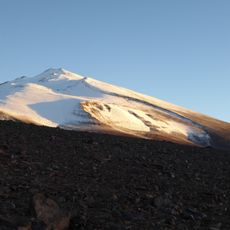
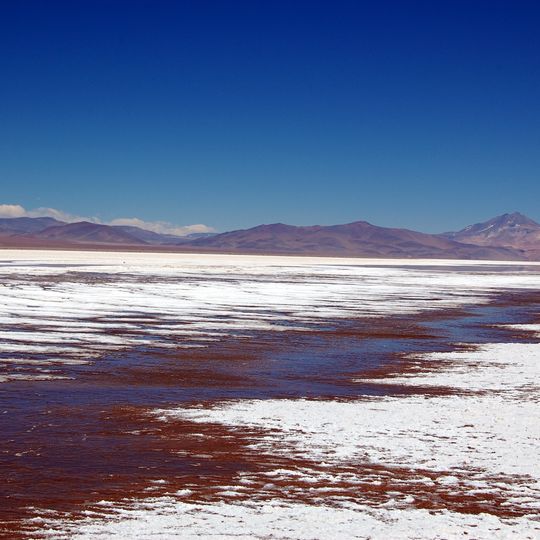
Volcán Copiapó is a stratovolcano rising from the Atacama Desert with multiple volcanic cones and extensive lava formations covering its slopes. The landscape shows dark lava fields and several subsidiary cones spread across the mountain's structure.
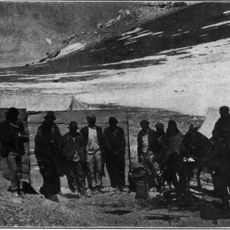
The mountain was first documented as climbed in 1937 when a Polish expedition reached its summit. This ascent marked a significant moment in the modern exploration of this desert volcano.
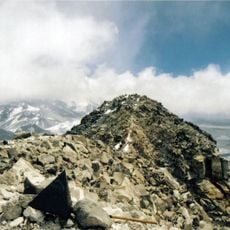
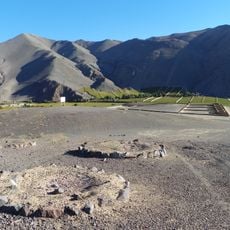
The summit holds a paved Inca ceremonial platform about 10 by 6 metres with a 4-metre wall, roughly 40 metres from the top and reached via the northern ridge. Finds there and nearby include burnt camelid bones, charcoal, coca leaves, spondylus shell from Ecuador, silver and shell figurines, and a gold figurine unearthed in a 1991 excavation. Matías Rebitsch's expeditions confirmed these remains, placing Copiapó among the sacred mountains of Inca culture.
Visitors access the mountain from Copiapó via Route 31 and establish a base camp at about 4100 meters elevation. The climb to the summit requires technical mountaineering skills and proper high-altitude equipment.
Seven parasitic cones surround the main crater, showing the long history of volcanic activity. These secondary cones create a distinctive pattern around the summit and make the landscape geologically complex.
The community of curious travelers
AroundUs brings together thousands of curated places, local tips, and hidden gems, enriched daily by 92,863 contributors worldwide.