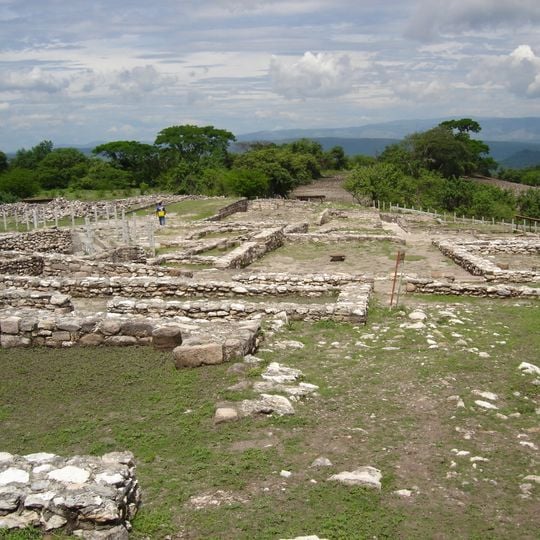
La Organera-Xochipala, Archaeological site in Eduardo Neri Municipality, Mexico.
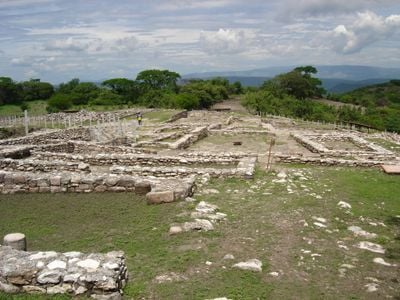
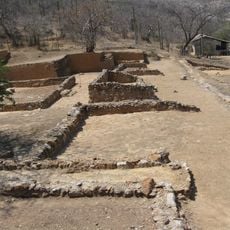
Xochipala is an archaeological site in Eduardo Neri Municipality in the Guerrero region, containing numerous stone sculptures and architectural remains. The settlement sits at roughly 1070 meters elevation and displays evidence of an early civilization.
The Organera Xochipala zone belongs to the Classic and, above all, Postclassic eras, roughly 200 to 1400 CE, and represents the Mezcala culture. In the mid-20th century it was extensively looted, with an estimated 20,000 pieces taken. The site is noted for a corbelled arch, an innovation generally attributed to the Maya; whether it was developed independently in Guerrero or imported remains unsettled. The nearby Las Mesas mound complex lies about six kilometers south-southwest of the modern town.
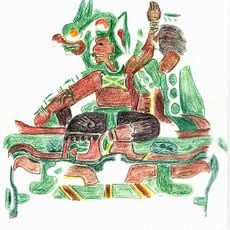
The stone sculptures display geometric patterns and abstract forms carved from andesite and serpentine stone. These artworks reveal how the people who lived here understood art and creative expression.
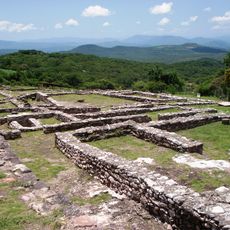
The ruins lie about six kilometres south-southwest of the modern town of Xochipala, in the municipality of Eduardo Neri. The low stone wall lines stand on flat, gravelly ground with sparse grass, so wear sturdy shoes and carry water. The site is reached by road from the town; the Las Mesas mound complex is a separate group in the same area.
The site is known for a corbelled arch, a construction technique generally attributed to the Maya. Whether it was developed independently in Guerrero or brought from Maya regions remains unsettled. The site also gives its name to Formative Period figurines dated 1500–200 BCE, though no figurine has been found in archaeological context.
The community of curious travelers
AroundUs brings together thousands of curated places, local tips, and hidden gems, enriched daily by 94,657 contributors worldwide.