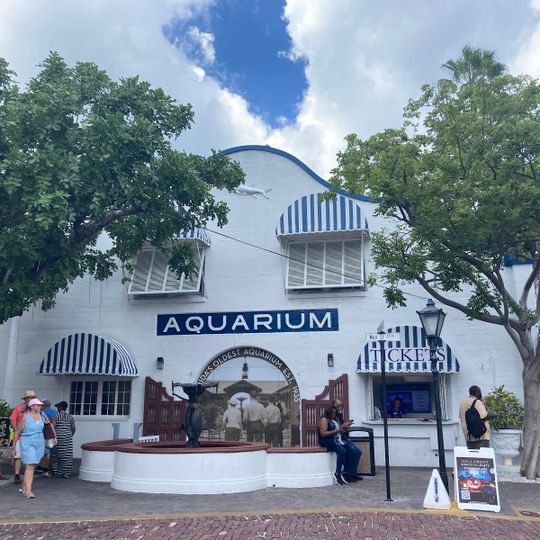
Key West Aquarium, Public aquarium in Mallory Square, Key West, United States
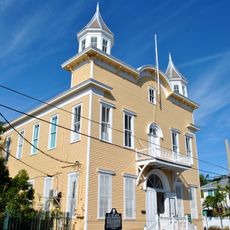
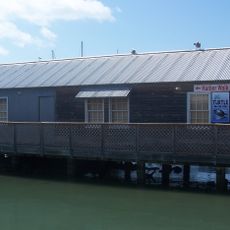
The Key West Aquarium at 1 Whitehead Street is the city's only public aquarium, built between 1932 and 1934 and opened in 1935 as the first open-air aquarium in the United States. Its exhibits cover alligators, Atlantic shore fish, jellyfish, sharks, sea turtles, and a touch tank with conchs, sea stars, slate pencil sea urchins, sea cucumbers, hermit crabs, and horseshoe crabs.
Built between 1932 and 1934, the Key West Aquarium opened to the public in 1935 as what was then called the first open-air aquarium in the United States. It was conceived by Dr. Robert Van Deusen, director of the Fairmount Park Aquarium in Philadelphia, and constructed by the Works Progress Administration after Key West turned its charter over to the federal government during the Great Depression. Original admission was 15 cents for adults and 5 cents for children.
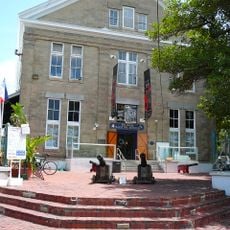
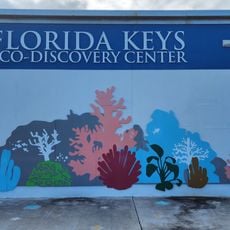
The aquarium's name appears on Historic Marker 52 at 1 Whitehead Street, and the site is run by Historic Tours of America. Its 2023 restoration, led by operations director Clinton Curry, re-themed exhibits to tell the story of the Keys' marine ecosystems and the people who work these waters. The City of Key West received the Historic Florida Keys Foundation's Award of Excellence for the rehabilitation.
The aquarium sits at 1 Whitehead Street, marked by Historic Marker 52, in the heart of Old Town Key West. A 2023 refurbishment added air conditioning and a new entryway façade, so the interior stays cool even in summer heat. The touch tank lets visitors handle conchs, sea stars, sea urchins, sea cucumbers, hermit crabs and horseshoe crabs.
The aquarium's touch tank lets visitors handle conchs, sea stars, slate pencil sea urchins, sea cucumbers, hermit crabs and horseshoe crabs. James Merrill also wrote the poem "Key West Aquarium: The Sawfish" about the collection.
The community of curious travelers
AroundUs brings together thousands of curated places, local tips, and hidden gems, enriched daily by 93,784 contributors worldwide.