Coconut Grove, Historic neighborhood in Miami, US.
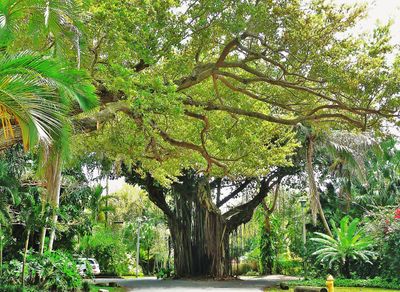
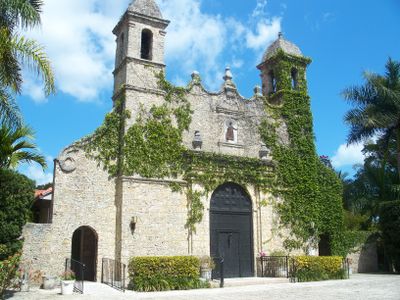
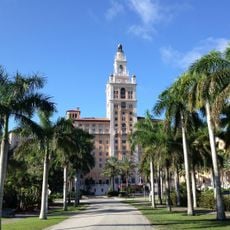
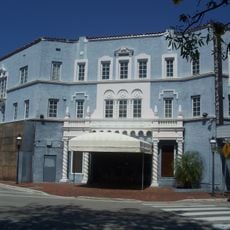
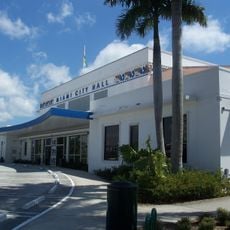
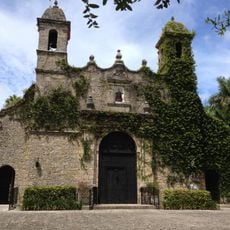
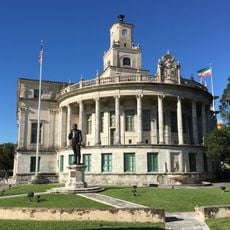
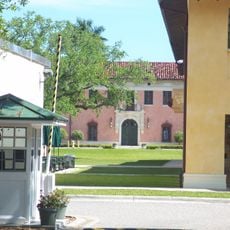
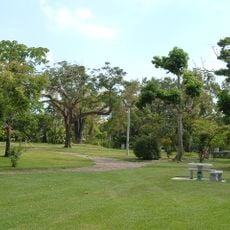
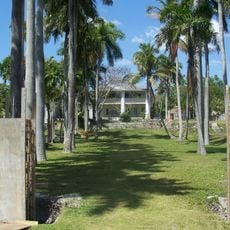
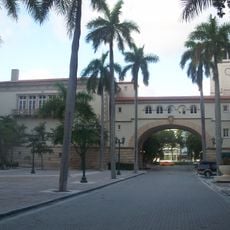
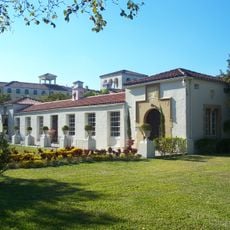
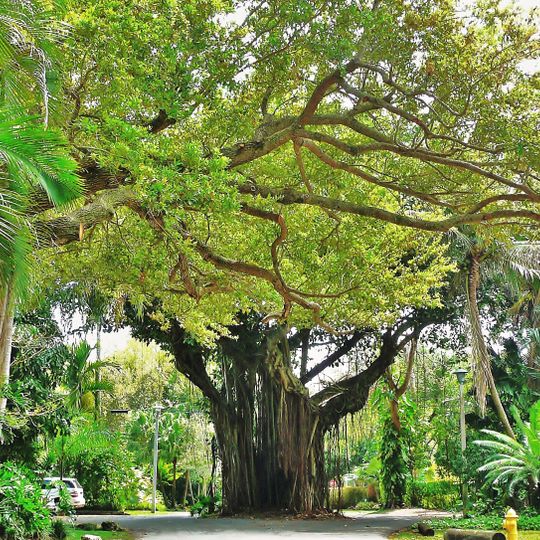
Coconut Grove stretches along Biscayne Bay with tree-lined streets, parks, and Mediterranean revival architecture covering roughly 5.6 square miles (15 square kilometers). The area includes several distinct zones, from the busy main street with shops and restaurants to quieter residential lanes facing the water, where palms and oaks provide natural shade.
The area began as a settlement in 1825 when the Cape Florida lighthouse started operations, attracting settlers from the northeastern United States. Over the following decades, it grew into a magnet for artists, intellectuals, and seafarers before officially annexing into Miami in 1925, yet it retained its village character.
This neighborhood preserves its Bahamian heritage through the annual Goombay Festival, celebrating Caribbean traditions with music, food, and dancing. In the Charles Avenue area and surrounding streets, visitors can still recognize the original settlement patterns of the Bahamian Grove community, where local artisan shops and small galleries reference the Afro-Caribbean roots that shaped daily life here.
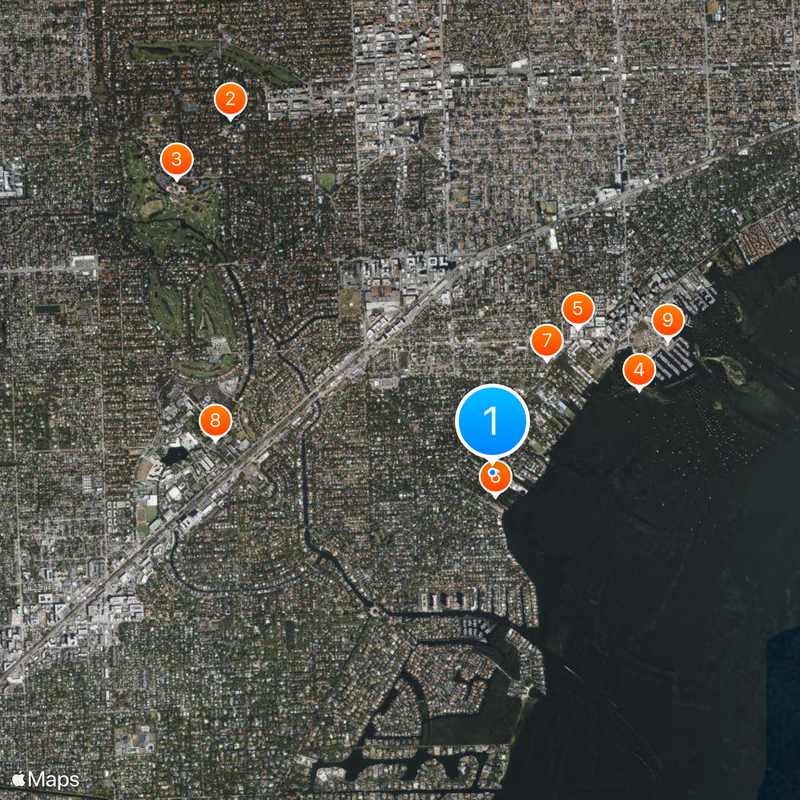
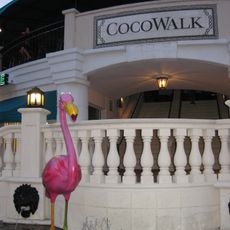
The Coconut Grove Connection shuttle service links visitors to main locations including CocoWalk, Peacock Park, and the Metrorail stations. Most streets are walkable, and parking can be found along side streets, though the center becomes busier on weekends and more restaurants open in the evening.
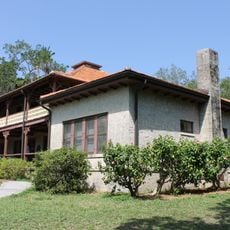
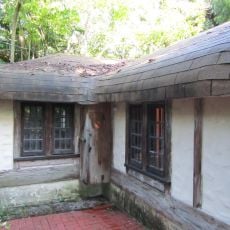
The Barnacle Historic State Park holds Miami-Dade County's oldest house still standing in its original location, built in 1891 by Ralph Middleton Munroe. The two-story structure was joined without nails and designed with a raised floor for ventilation, a technique Munroe adapted from his shipbuilding experience.
The community of curious travelers
AroundUs brings together thousands of curated places, local tips, and hidden gems, enriched daily by 92,528 contributors worldwide.