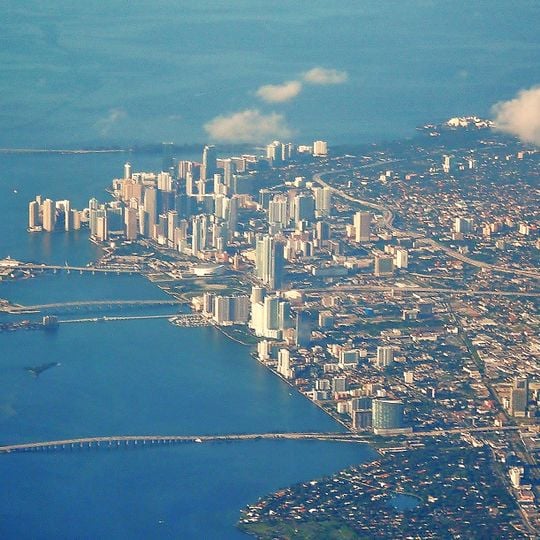
Miami, Coastal metropolis in Florida, United States.
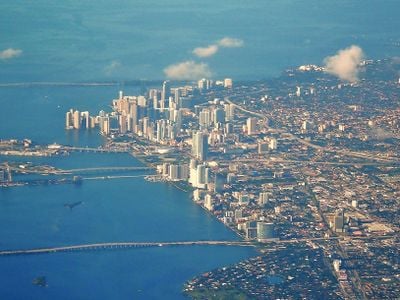
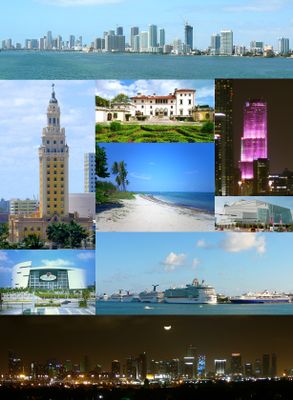
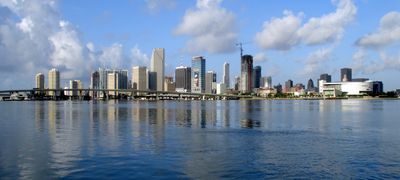
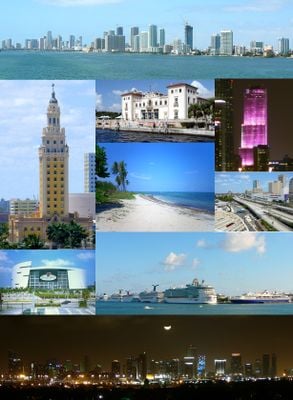
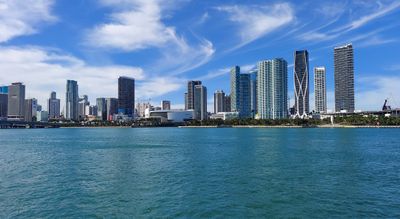
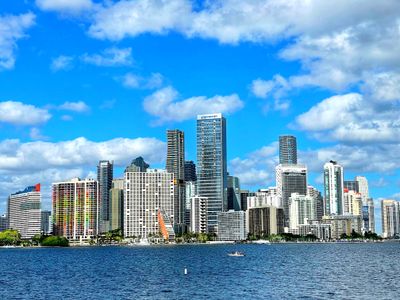
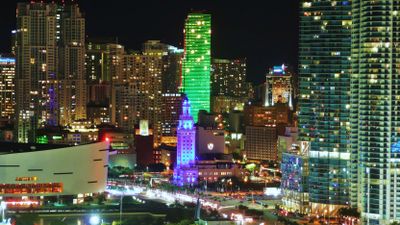
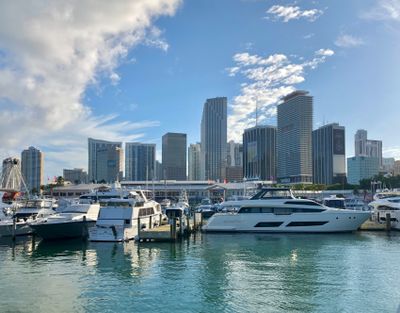
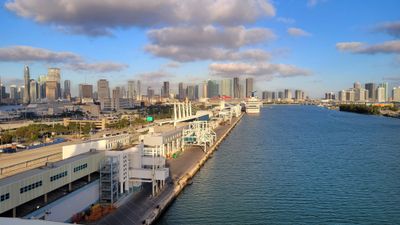
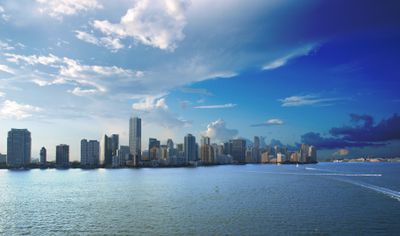
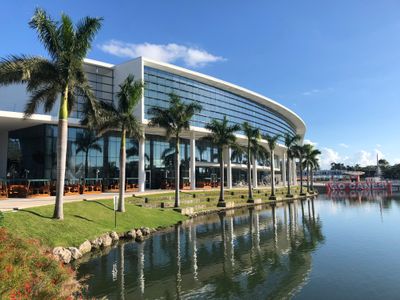
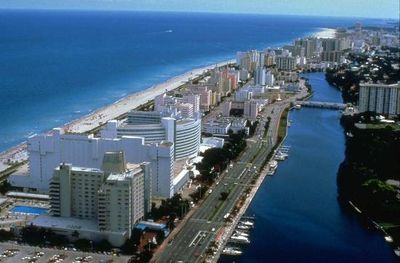
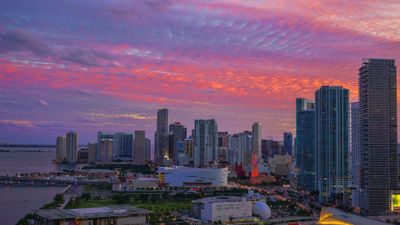
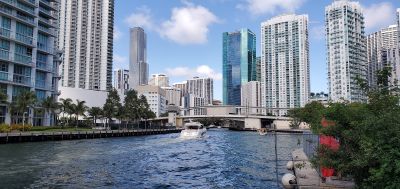
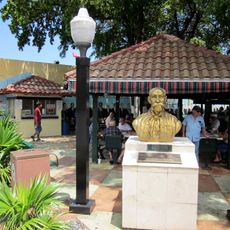
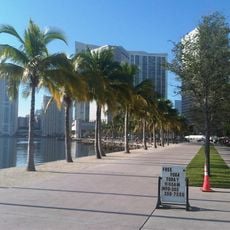
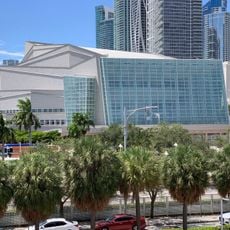
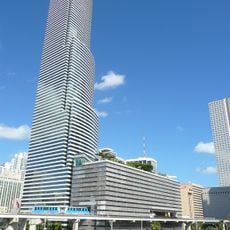
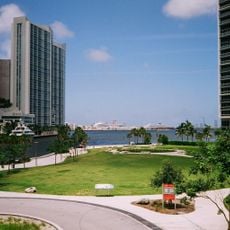
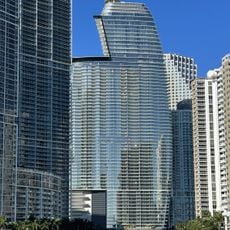
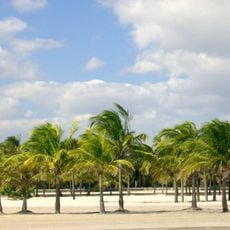
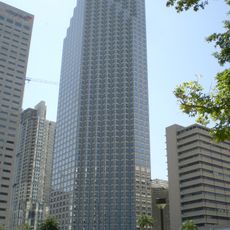
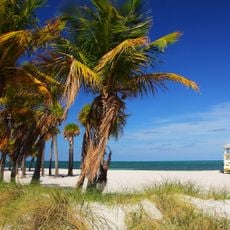
Miami stretches along the Atlantic coast with modern skyscrapers lining Biscayne Bay and residential neighborhoods beneath towering palm trees. The city divides into distinct districts, from beachfront promenades in the east to mangrove forests and wetlands in the west, where urban life transitions into subtropical wilderness.
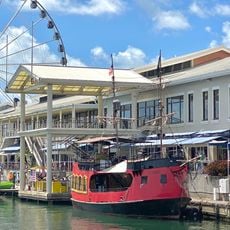
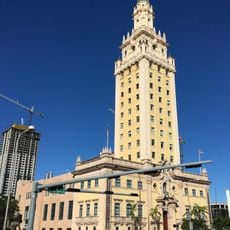
The Tequesta people inhabited the region for about two thousand years until the 18th century, when the entire group relocated to Cuba. As a city, it emerged only in 1896 after railroad construction opened southern Florida and began a new settlement era.
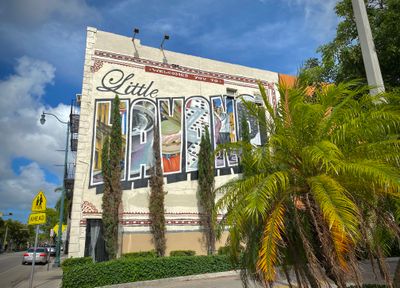
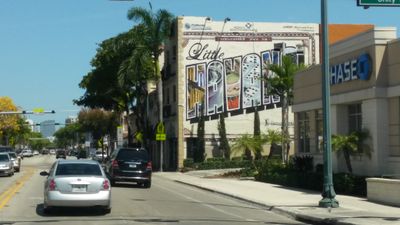
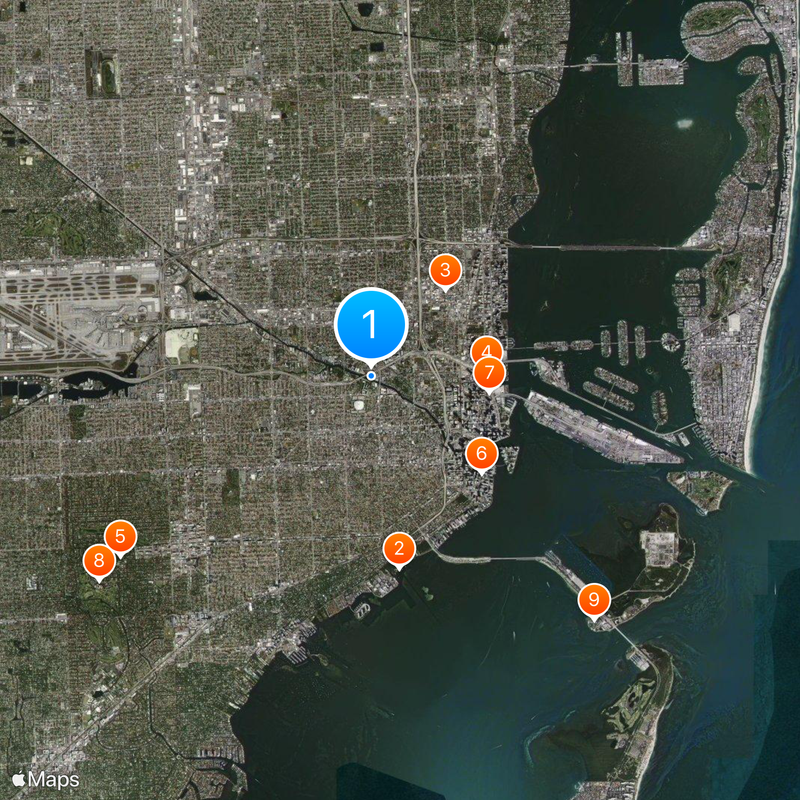
Little Haiti displays Caribbean heritage through food markets, art galleries, and authentic restaurants serving traditional Creole dishes. Throughout the city, Latin American influence appears in daily life, from Spanish heard in public spaces to Cuban coffeehouse culture found on nearly every corner.
The tropical climate brings hot, humid summers and mild winters, with hurricane season running from June through November. The international airport sits about eight miles northwest of downtown and connects the region to destinations across North, Central, and South America as well as Europe.
The city holds the largest collection of Art Deco architecture in North America, with about eight hundred preserved buildings from the 1920s and 1930s. South Beach concentrates most of these colorful, pastel-toned facades along just a few blocks near the ocean.
The community of curious travelers
AroundUs brings together thousands of curated places, local tips, and hidden gems, enriched daily by 90,828 contributors worldwide.