Michael C. Carlos Museum, Art museum at Emory University, Atlanta, United States
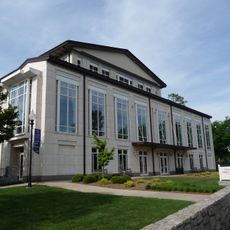
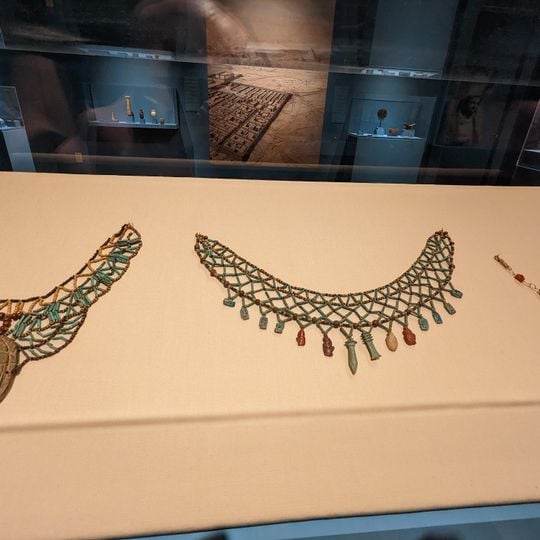
The Michael C. Carlos Museum occupies a building designed by architect Michael Graves on Emory University's historic quadrangle in Atlanta. Its galleries hold more than 25,000 works, among them 450 Greek and Roman pieces and Egyptian coffins and mummies acquired from Canada's Niagara Falls Museum in 1999. The Roman holdings include a portrait of the emperor Tiberius and a Hellenistic Terpsichore, muse of dance.
The collection began in 1876 as the Emory College Museum in Oxford, Georgia. After the university moved to Atlanta, professors founded the Emory University Museum in 1919, and its holdings were shown in various campus buildings. Atlanta businessman Michael C. Carlos gave over $20 million for a permanent home, opened in 1985; a 1993 expansion brought the Michael Graves building and the museum's current name.
The museum's name honours Atlanta businessman Michael C. Carlos, chairman of a national distribution company, who gave nearly $20 million over two decades; he died in December 2002 aged 75. Its outreach programme Art Odyssey brings art, history and archaeology to Georgia schoolchildren, and the Odyssey Online website introduces the same cultures to young readers.
The museum occupies the Michael Graves building on Emory University's historic quadrangle in DeKalb County, near Atlanta. Admission is free and the galleries are open to the public. Campus parking and wayfinding follow university rules, so allow time to walk from visitor lots to the quadrangle.
In 1999 the museum bought 145 Egyptian works from the Niagara Falls Museum in Canada, and its decorated coffins and mummies of humans and animals became the centrepiece of the Egyptian galleries. That same year a $10 million bequest from Michael C. Carlos funded the Greek and Roman purchases, including a portrait of the emperor Tiberius.
The community of curious travelers
AroundUs brings together thousands of curated places, local tips, and hidden gems, enriched daily by 92,726 contributors worldwide.