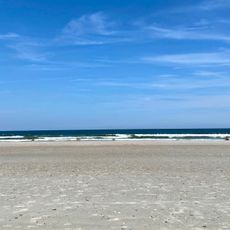
Timucuan Ecological and Historic Preserve, wetlands in Florida (U.S.) managed by the National Park Service
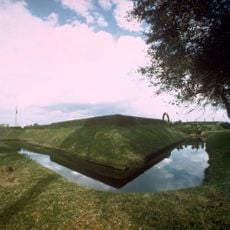
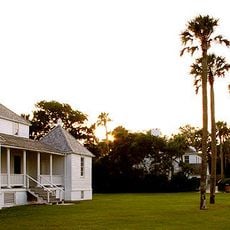
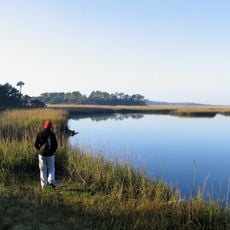
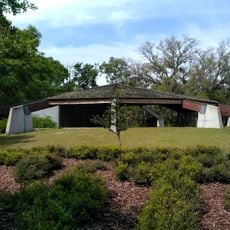
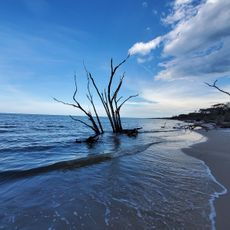
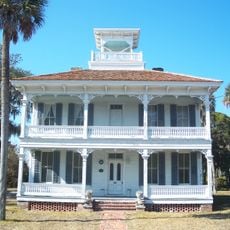
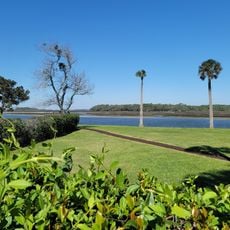
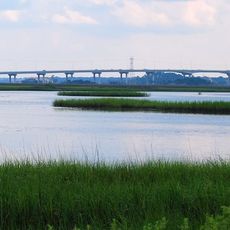
The Timucuan Ecological and Historic Preserve is a 46,000-acre (19,000 ha) protected area in northeastern Duval County, Florida, managed by the National Park Service with the City of Jacksonville and Florida State Parks. It contains salt marshes, forests, and waterways, along with Fort Caroline National Memorial and Kingsley Plantation, the oldest standing plantation in Florida.
The area was home to the Timucua people before European explorers arrived in the 16th century and established Fort Caroline. The preserve was created in 1988 to protect both the natural ecosystems and the evidence of this long settlement history.
The preserve's name honors the Timucua people who originally lived in this region, and their presence is still felt throughout the landscape. Visitors can see where these communities made their homes and how they connected with the waterways and forests around them.
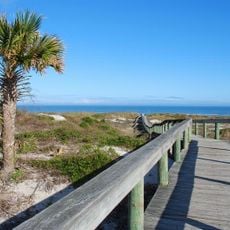
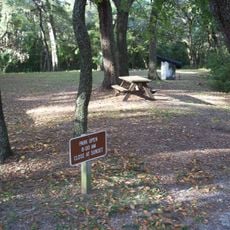
The preserve is easily accessible with marked trails through marshes and forests, and parking is available at the entrance. Bring comfortable shoes, water, and sunscreen, as early mornings or late afternoons offer the best times for wildlife viewing.
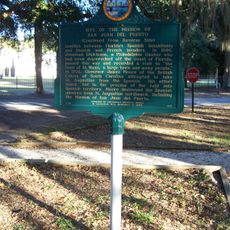
On Black Hammock Island, a University of North Florida team excavated remnants of the second-oldest pottery in the United States, dated to 2500 BCE; slightly older finds come from the Savannah River area. The same excavations uncovered artifacts of the Mocama chiefdom and evidence of San Juan del Puerto, one of Florida's oldest Spanish missions, founded in the 16th century.
The community of curious travelers
AroundUs brings together thousands of curated places, local tips, and hidden gems, enriched daily by 94,589 contributors worldwide.