Mulberry Plantation, human settlement in South Carolina, United States of America
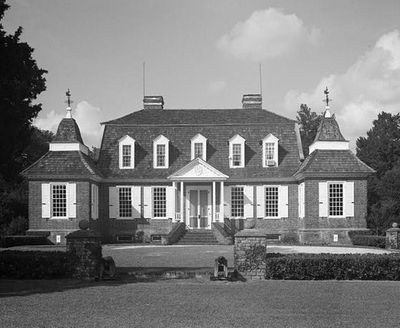
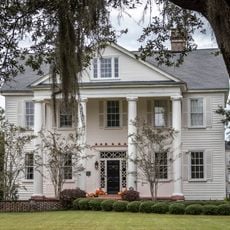
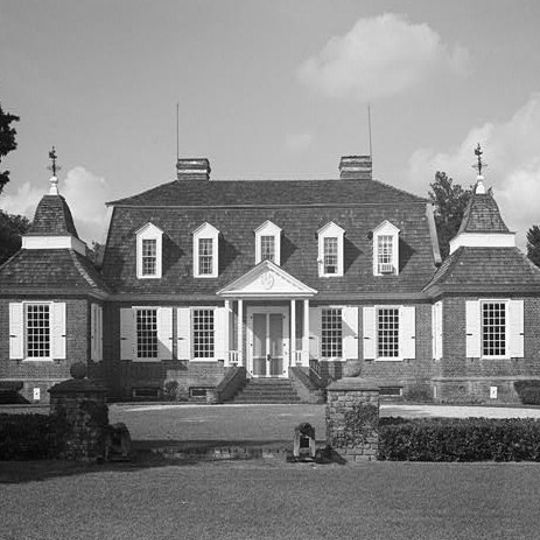
Mulberry Plantation is a brick house built in the early 1700s, standing on a small hill beside the Cooper River about three miles south of Moncks Corner. The building features a low, wide shape with a distinctive gambrel roof and four small brick pavilions with curved roofs attached to its sides.
The estate was built around 1714 by Thomas Broughton, who later became the Royal Governor of South Carolina. The house originally served as a defensive site against attacks and functioned as a protective station during the Yamasee War.
The house reflects the architectural traditions of Huguenot settlers who established themselves in the Lowcountry region. Its distinctive form with steep gambrel roof and small gables shows how European building styles were adapted to local conditions by early colonists.
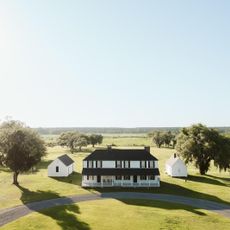
Visitors can explore the exterior of the house along with the surrounding fields and waterways. The thick brick walls and evenly spaced windows are visible from the outside, and educational information helps guests understand early American architecture and plantation life.
British artist Thomas Coram painted the estate around 1800, showing the house alongside rows of small slave houses. This historic image documents the layout and daily life on the plantation during that period.
The community of curious travelers
AroundUs brings together thousands of curated places, local tips, and hidden gems, enriched daily by 91,083 contributors worldwide.