Panama–Pacific International Exposition, World's Fair in United States of America
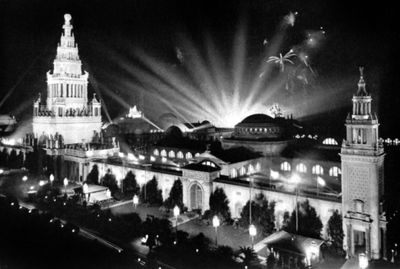
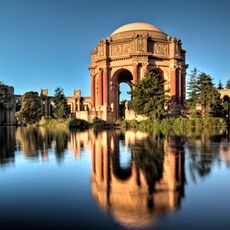
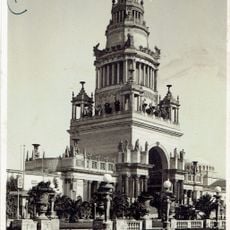
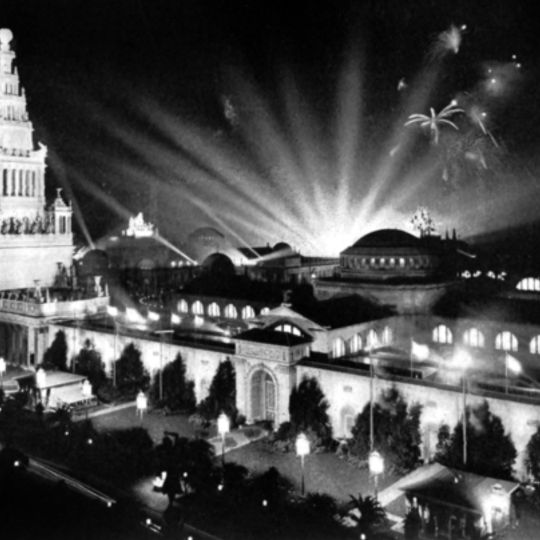
The Panama-Pacific International Exposition was a world's fair held in San Francisco in 1915, featuring mainly temporary buildings spread across a large site. The grounds contained pavilions, exhibition halls, and decorative structures, with only the Palace of Fine Arts surviving to the present day.
The exposition took place in 1915 and marked the completion of the Panama Canal, a major engineering achievement. The event helped the city demonstrate its reconstruction after the devastating 1906 earthquake and regain international confidence.
The event displayed innovations and technologies from many countries and reflected the city's confidence during a time of recovery. Visitors witnessed how the world was progressing in the early 20th century and what ideas were being shared across borders.
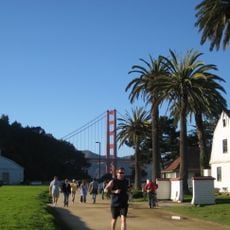
The site was located on the San Francisco Bay waterfront and was easily accessible to visitors arriving by various means of transportation. Today, visitors can explore the former fairgrounds and tour the surviving Palace of Fine Arts building, which is centrally situated and walkable.
The Palace of Fine Arts building was deliberately designed to appear as a timeless classical structure, even though it was initially a temporary exhibition hall. This contrasting nature enabled the building to be preserved and later restored, while the rest of the fair completely disappeared.
The community of curious travelers
AroundUs brings together thousands of curated places, local tips, and hidden gems, enriched daily by 91,804 contributors worldwide.