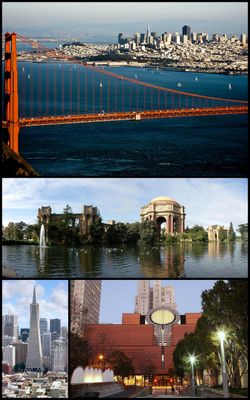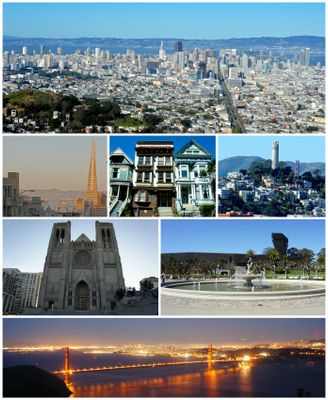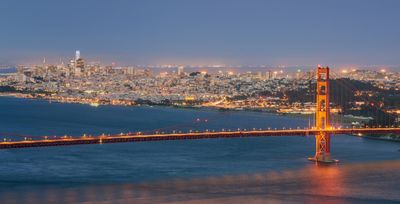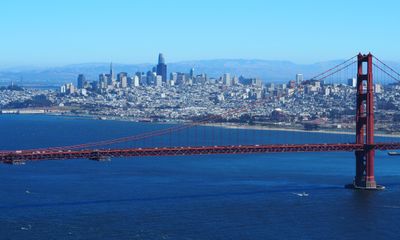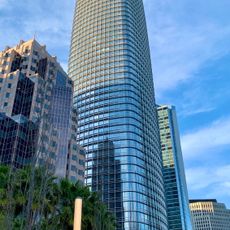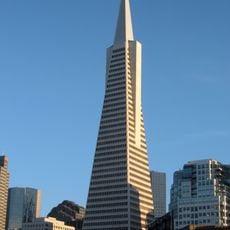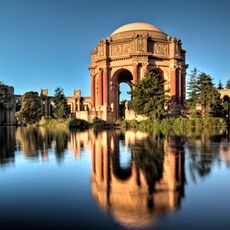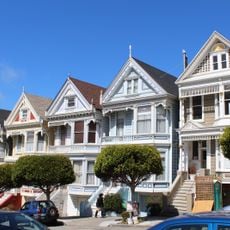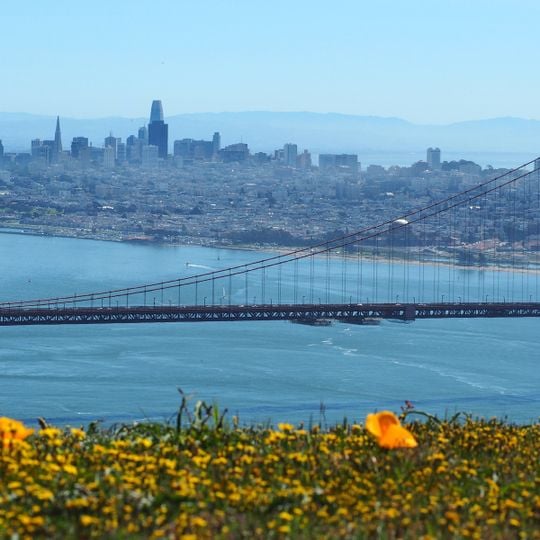
San Francisco, Metropolitan hub in Northern California, United States
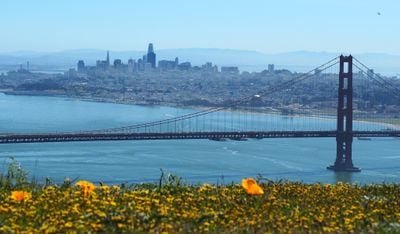
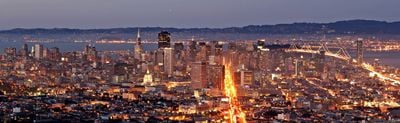
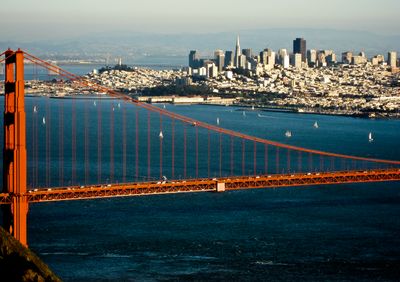
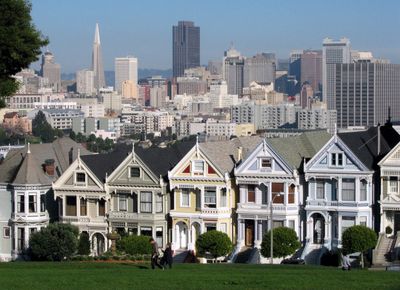
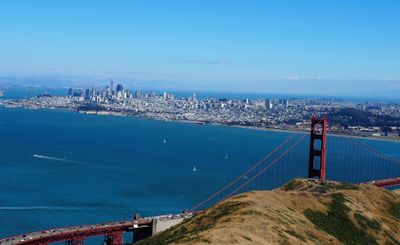
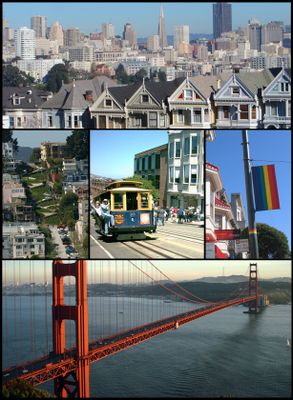
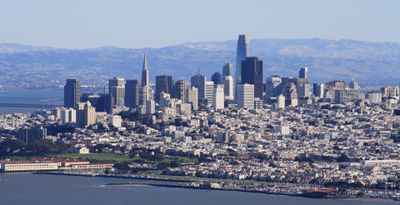
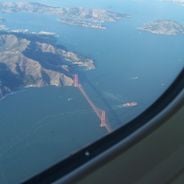
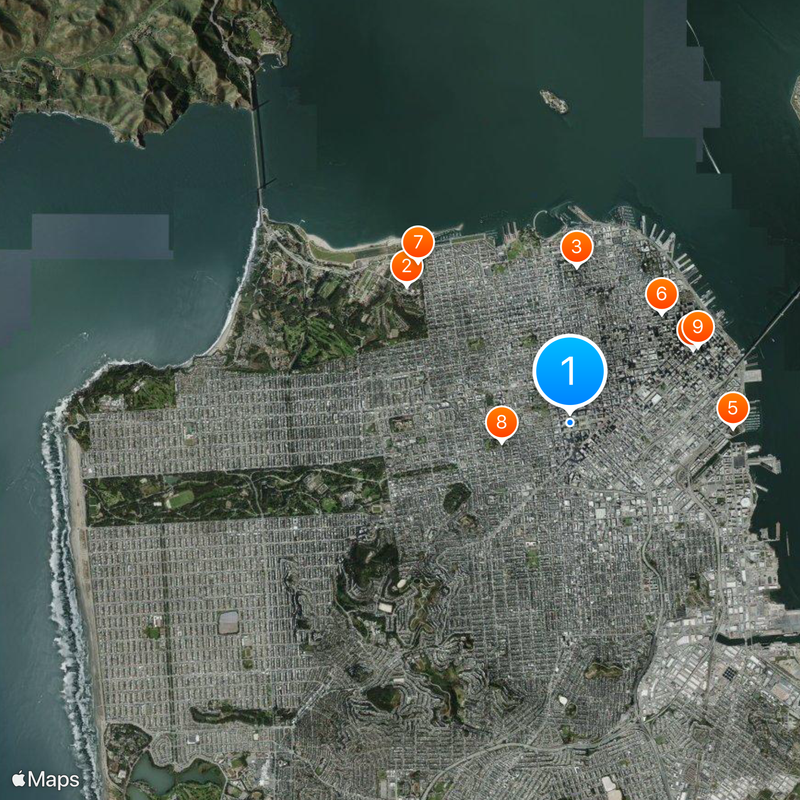
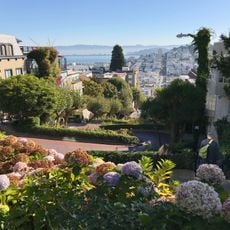
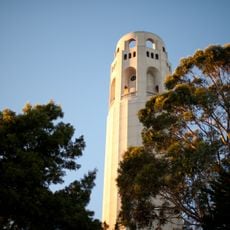
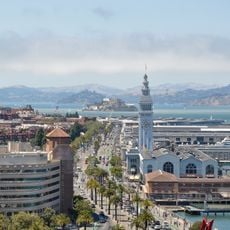
The city covers 121 square kilometers at the northern tip of a peninsula between the Pacific Ocean and San Francisco Bay. The territory includes 43 named hills, among them Twin Peaks reaching 281 meters in elevation, along with extensive residential neighborhoods featuring wooden houses from the late 19th century that line steep streets and give the place its characteristic appearance throughout multiple districts.
Founded as a Spanish mission in 1776, the settlement remained modest until the 1848 Gold Rush transformed it from 1,000 residents to 25,000 within twelve months. The 1906 earthquake and subsequent fires destroyed over 80 percent of structures, yet reconstruction proceeded rapidly. During the following decades, the location developed into a major Pacific gateway and experienced significant social movements throughout the 20th century that shaped modern American culture.
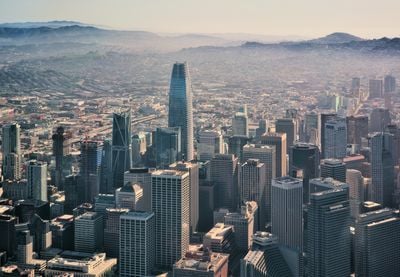
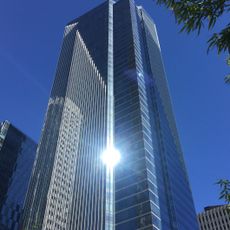
The city has evolved into a leading center for technological innovation, hosting numerous companies that shape the digital economy. San Francisco preserves a strong tradition of artistic movements, from the Beat Generation to the LGBTQ rights movement, which gained momentum here during the 1960s and 1970s, influencing American society profoundly and continuing to define the local identity today.
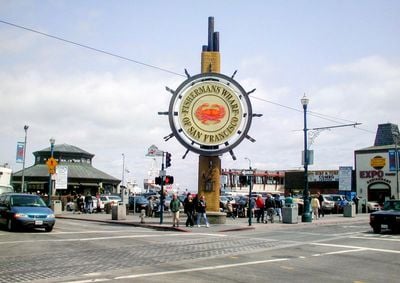
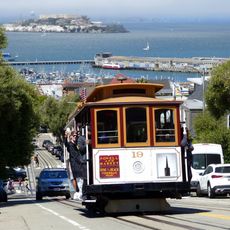
The Municipal Railway system operates buses, light rail vehicles, and historic streetcars connecting all districts from early morning until midnight with frequent service throughout the day. The international airport lies 21 kilometers south and connects via Bay Area Rapid Transit trains. Visitors should prepare for variable temperatures, as weather conditions differ notably between neighborhoods, particularly during summer months when coastal fog affects western sections while eastern areas remain warmer and sunnier.
The territory experiences pronounced microclimates where temperatures can vary by up to 8 degrees Celsius between neighborhoods separated by just a few blocks. These climatic differences result from interactions between cold ocean currents, coastal fog patterns, and the numerous hills that create natural barriers, forming distinct climate zones within the compact urban area that sometimes surprise newcomers expecting uniform conditions throughout.
The community of curious travelers
AroundUs brings together thousands of curated places, local tips, and hidden gems, enriched daily by 90,812 contributors worldwide.