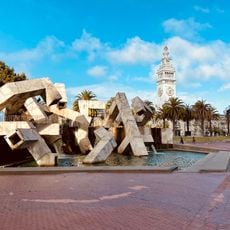
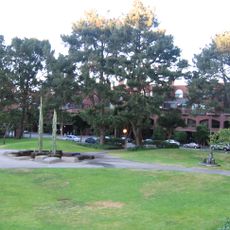
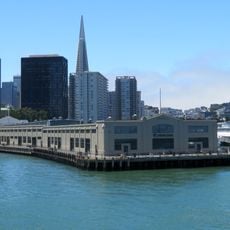
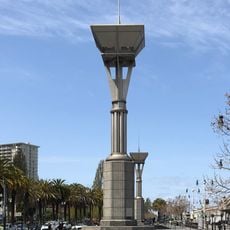
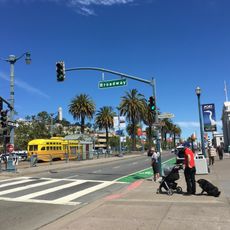
Embarcadero, Waterfront boulevard in San Francisco, US
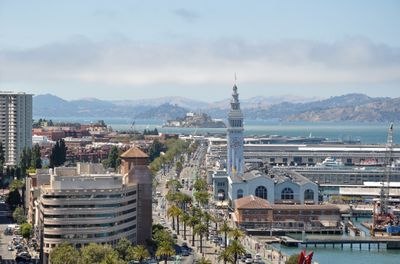
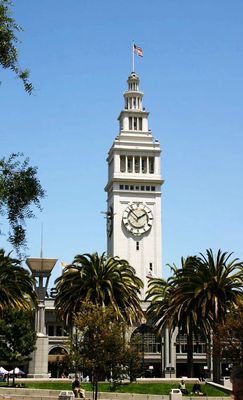
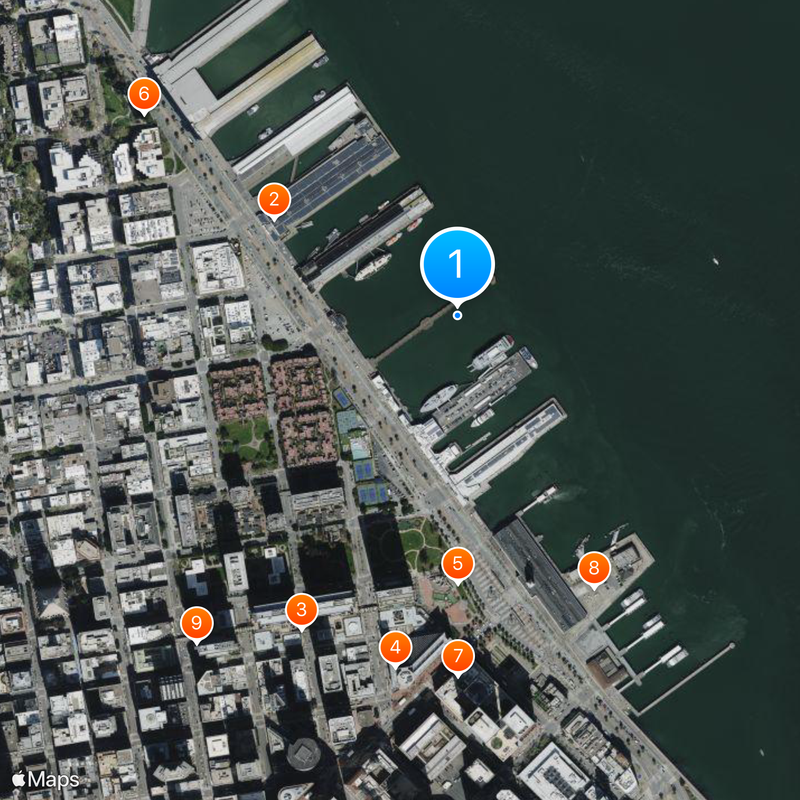
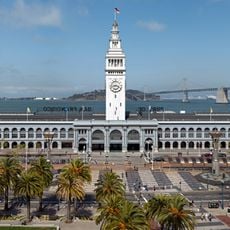
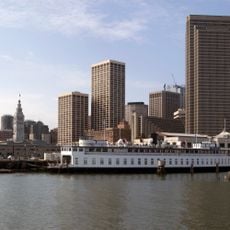
The Embarcadero is a three-mile boulevard running along San Francisco's eastern waterfront from AT&T Park in the south to Fisherman's Wharf in the north. Along this stretch, numbered piers line the water's edge, many of them converted into restaurants, museums and public plazas.
The waterfront received thousands of soldiers shipping out to the Pacific during World War II and saw heavy maritime traffic through the 1950s. After the 1989 Loma Prieta earthquake, the damaged elevated highway was torn down, reopening views of the bay.
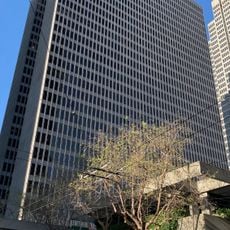
The name comes from the Spanish verb embarcar, "to embark", and the road follows the seawall where passengers once boarded ferries. The waterfront sidewalk between China Basin and Fisherman's Wharf is named "Herb Caen Way...", the three dots honouring the columnist's Pulitzer Prize-winning style. In winter the edges of the four Embarcadero Center towers are lit to look like giant books on a shelf.
The historic F streetcar line connects the entire length of the waterfront and stops at every major pier. Cyclists find a protected bike lane on the eastern side, separated from the pedestrian path by bollards.
The waterfront sidewalk from China Basin to Fisherman's Wharf is officially named "Herb Caen Way...", ellipsis included, after the Chronicle columnist who died in 1997; the three dots honour his Pulitzer-winning style. Near Rincon Park stands Cupid's Span, the 2002 bow-and-arrow sculpture by Claes Oldenburg and Coosje van Bruggen.
The community of curious travelers
AroundUs brings together thousands of curated places, local tips, and hidden gems, enriched daily by 94,354 contributors worldwide.