Trinity River, river in northern California
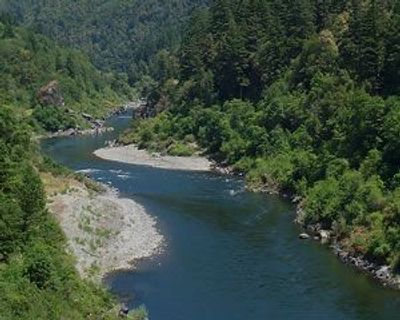
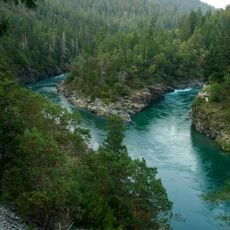
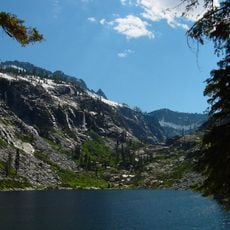
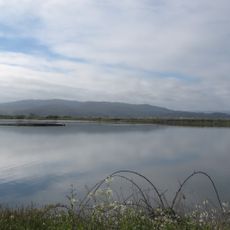
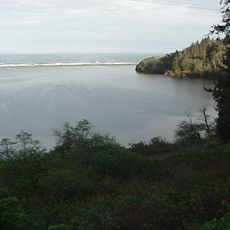
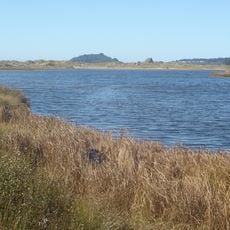
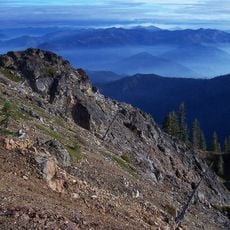
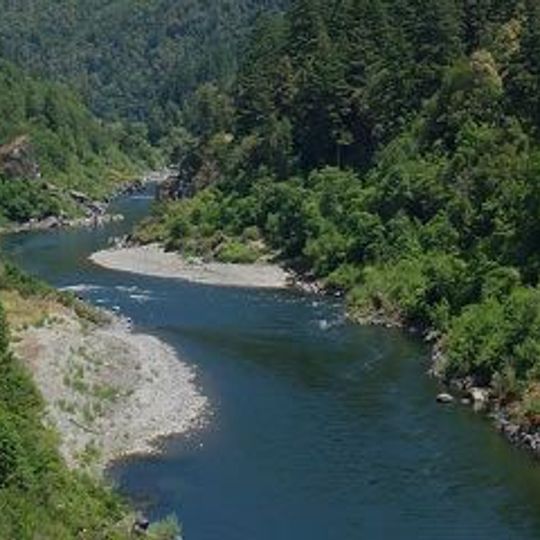
Trinity River is a river in northern California that runs through forested mountains and narrow valleys before joining the Klamath River near the coast. Its course shifts between fast-moving rapids and calmer stretches, making it vary noticeably depending on where and when you visit.
For thousands of years, the Wintu and Hupa peoples relied on this river as their main food source, building their lives around its seasonal fish runs. The arrival of prospectors during the 1800s gold rush introduced destructive mining methods that reshaped the riverbed and surrounding land in lasting ways.
The Wintu and Hupa peoples have long lived along this river and fished its waters for salmon and steelhead. Tribal members still lead visitors through their ancestral lands today, and their connection to the water is visible in ceremonies and fishing practices sometimes seen along the banks.
The river can be visited year-round, but spring and fall tend to offer the best conditions for fishing and calmer paddling, while spring also brings higher water levels suited to rafting. Campgrounds along the banks make it easy to base yourself there and explore the area over several days.
The Trinity River got its name from a mistake: early explorers believed it flowed toward Trinidad Bay on the coast and named it accordingly, but they were wrong about its course. The name stuck even after the error was discovered, making it one of the few rivers in California named after a place it never reaches.
The community of curious travelers
AroundUs brings together thousands of curated places, local tips, and hidden gems, enriched daily by 91,815 contributors worldwide.