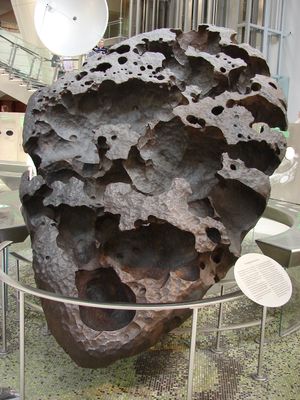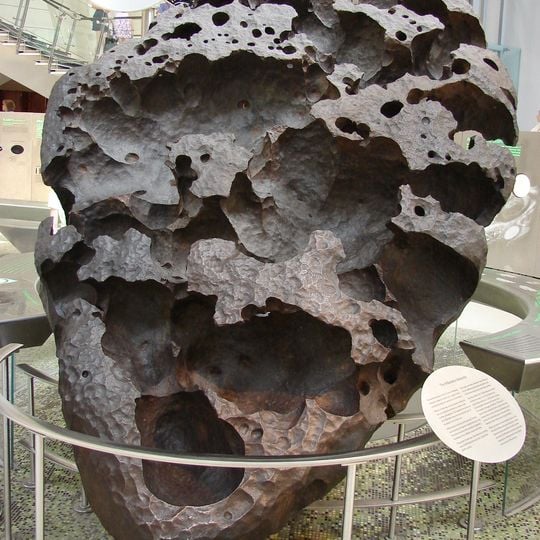
Willamette Meteorite, Iron meteorite at American Museum of Natural History, New York, US
The Willamette Meteorite is a large iron meteorite on display at the American Museum of Natural History in New York. It is composed primarily of iron and nickel with small traces of other metals and sits in the museum's Hall of the Universe.
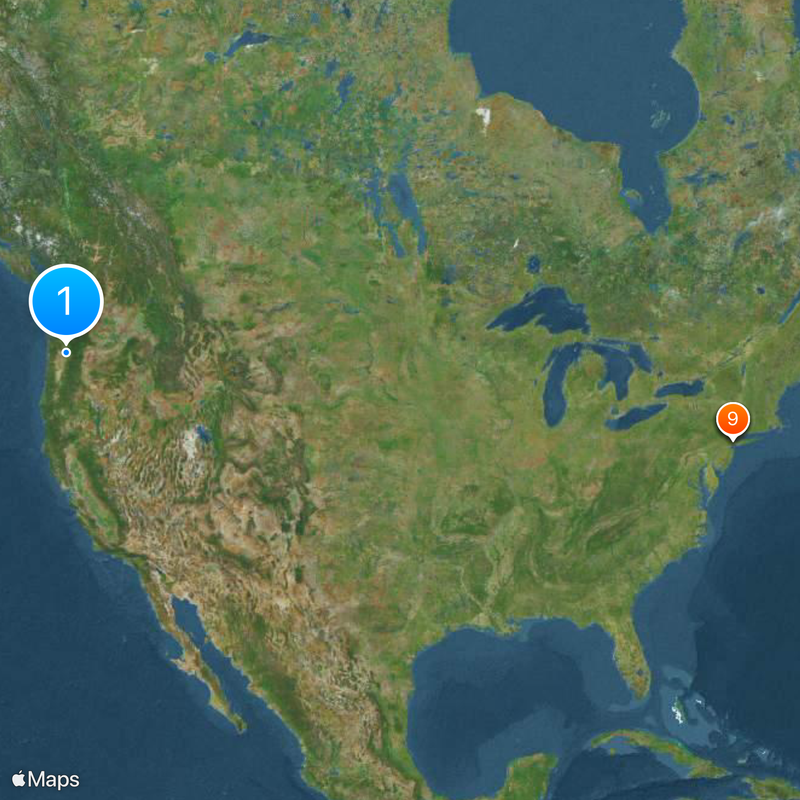
A farmer named Ellis Hughes discovered this meteorite in 1902 near West Linn, Oregon. He dragged it across his land over several weeks to claim ownership before it eventually came to the museum.
The Clackamas people call this meteorite Tomanowos and consider it sacred. They have held ceremonies at the museum each year since 1999 to honor their spiritual connection to it.
This meteorite is on view year-round at the natural history museum and is easy to locate in a main exhibition hall. Arriving early in the day helps you get a clear view and hear the museum staff's explanations without crowds.
Scientists believe this meteorite was carried to Oregon during the Missoula Floods roughly 13,000 years ago from far northern regions. It arrived without creating a crater, which makes it an uncommon discovery for its size.
The community of curious travelers
AroundUs brings together thousands of curated places, local tips, and hidden gems, enriched daily by 91,367 contributors worldwide.