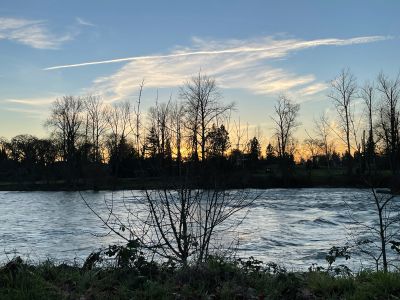
Willamette River Greenway, Recreational greenway along Willamette River in Oregon, United States.
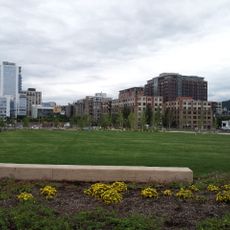
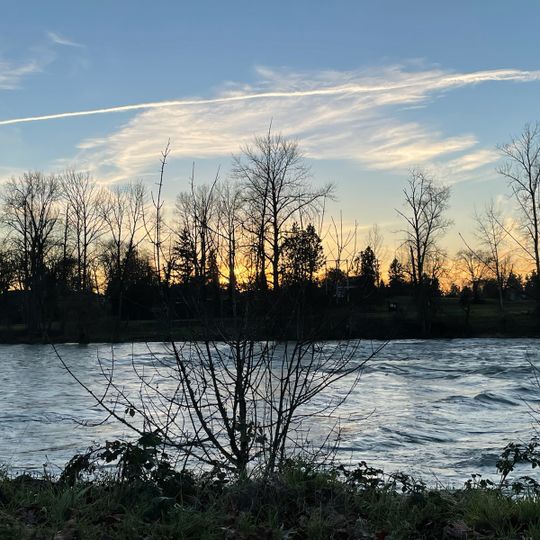
The Willamette River Greenway is a recreational protected corridor that stretches roughly 250 kilometers from the south to Portland, linking different habitats with many access points to the river. The corridor features varied landscapes including forests, meadows, and river banks where visitors can hike, fish, and paddle.
In his 1966 run for governor, state treasurer Robert Straub proposed public ownership of lands along the Willamette; Tom McCall won and adopted the proposal. The 1967 legislature established the Greenway, and U.S. Senator Maurine Neuberger sought federal funds for it. The 1973 Willamette River Greenway Act tied the program to the state land use law, Senate Bill 100, and in 1975 the Department of Land Conservation and Development made the greenway one of nineteen statewide planning standards.
The greenway links communities together through shared recreational spaces and walking paths along the river while protecting native plants and wildlife. These connections allow people from different areas to explore the landscape on the same route.
Multiple access points allow visitors to choose their activities based on location, since each point offers different options for hiking, fishing, or boating. The best time to explore is the milder weather in spring and fall, when conditions for outdoor activities are most comfortable.
The greenway is not a single park but a state-and-local partnership, set up by the 1967 Oregon legislature after Robert Straub proposed public ownership of riverside land during his 1966 gubernatorial run; Tom McCall won that election and adopted the idea. Trails exist along it, but significant gaps remain.
The community of curious travelers
AroundUs brings together thousands of curated places, local tips, and hidden gems, enriched daily by 95,106 contributors worldwide.