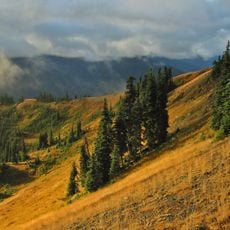
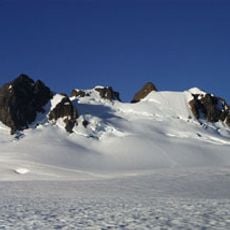
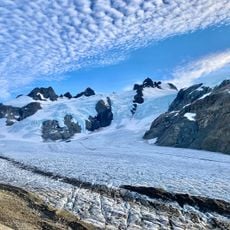
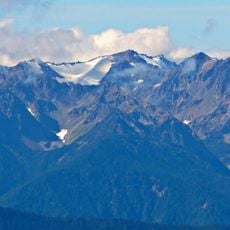
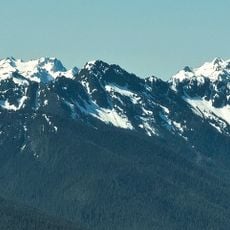
Blue Glacier, Glacier in Olympic National Park, Washington, United States.
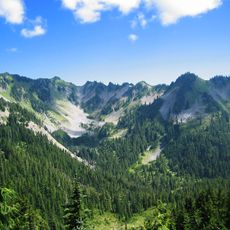
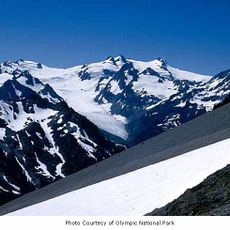
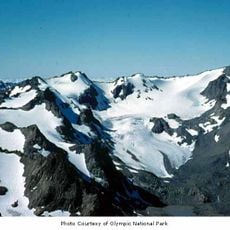
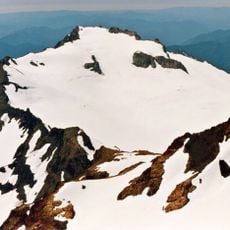
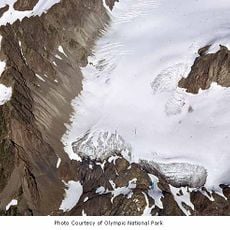
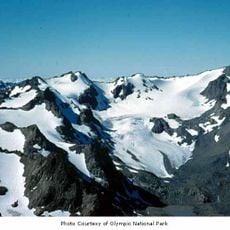
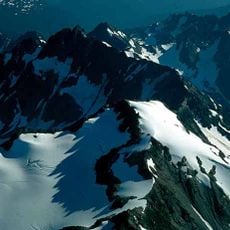
Blue Glacier begins at 7,800 feet near Mount Olympus's three summits as a snowfield split by arêtes. Flowing north, it drops through a chaotic icefall of seracs and crevasses, then turns west in a valley where a tributary from a northwest snowdome joins it. The combined ice ends at a rocky cliff at 4,050 feet, having descended over 3,700 feet in 2.7 miles.
Blue Glacier shrank from about 3.4 miles (5.5 km) in 1800 to 2.7 miles (4.3 km) in 2000. It retreated 325 feet (99 m) between 1995 and 2006, and from 1987 to 2009 it lost 178 feet (54 m) of thickness near its terminus and 32 to 48 feet (9.8 to 14.6 m) in its accumulation zone.
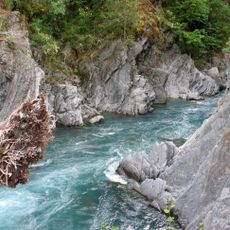
The glacier sits within protected wilderness and feeds streams that sustain local wildlife and plant communities. Visitors can observe how meltwater shapes the land and nourishes the river ecosystems throughout the year.
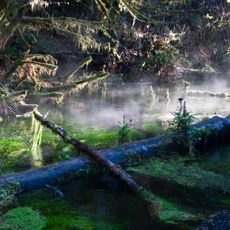
The glacier is reached by the Hoh River trail, which runs 34 mi (55 km) through temperate rain forest before climbers leave the valley for the ice. The icefall below the upper snowfield is broken by seracs and crevasses, so ropes and glacier travel gear are needed. About 180 in (460 cm) of precipitation falls each year, much of it as snow in winter.
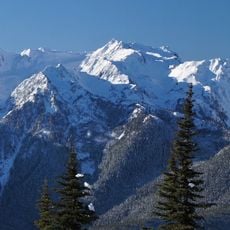
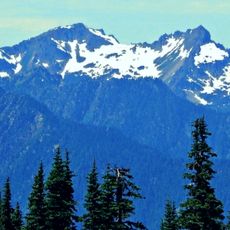
This ice field receives more precipitation than nearly any other in the lower 48 states due to its proximity to the Pacific Ocean. Its position on the western side of the mountain range makes it one of the snowiest places in the country.
The community of curious travelers
AroundUs brings together thousands of curated places, local tips, and hidden gems, enriched daily by 93,771 contributors worldwide.