Daniel J. Evans Wilderness, Protected wilderness area in Olympic National Park, Washington, United States
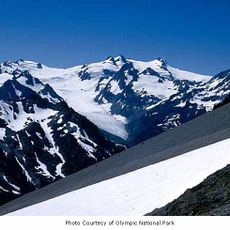
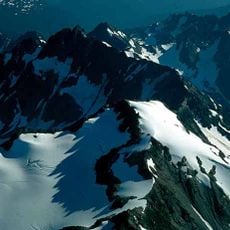
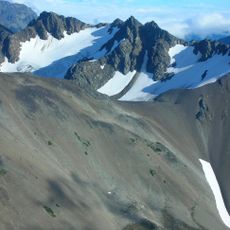
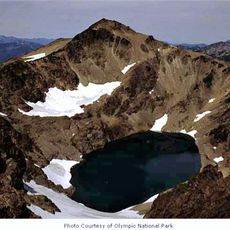
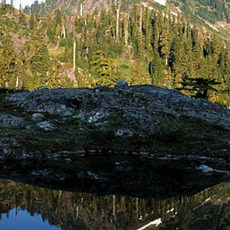
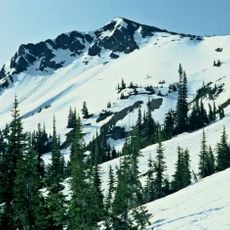
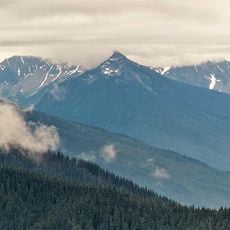
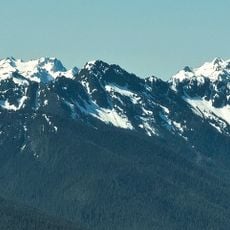
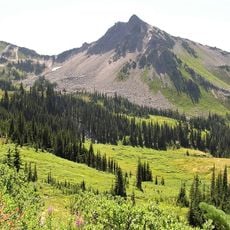
This wilderness covers about 877,000 acres and combines rugged mountain ranges, forested valleys, and raw Pacific coastline within a single protected area. A network of roughly 600 miles of trails weaves through the landscape and links different terrain types together.
Congress designated 95 percent of Olympic National Park as the Olympic Wilderness in 1988, covering 1,370 square miles. It was renamed Daniel J. Evans Wilderness in 2017 to honor the former Washington governor and U.S. senator, who co-sponsored the 1988 bill creating the state's wilderness areas. It is the largest wilderness area in Washington.
The Skokomish, Quinault, Queets, Hoh, Quileute, Makah, and Klallam peoples have deep ties to these lands that shape how the place is understood and valued. Names and locations throughout the area reflect this long indigenous connection.
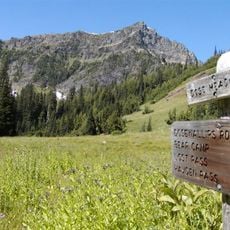
Visitors can enter from many different points, with main access areas near Hurricane Ridge, the Hoh River valley, and Ruby Beach. The terrain can change quickly and weather shifts without warning, so solid preparation makes a big difference.
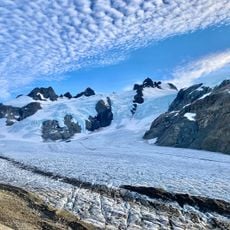
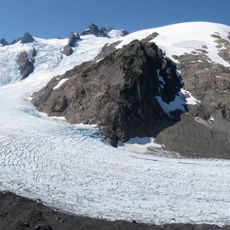
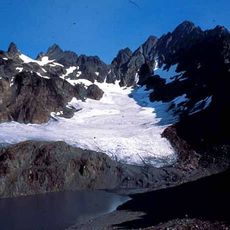
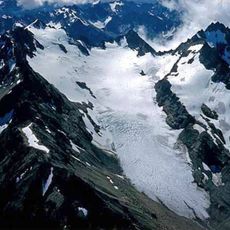
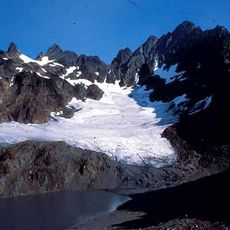
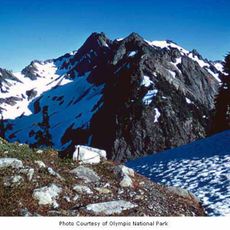
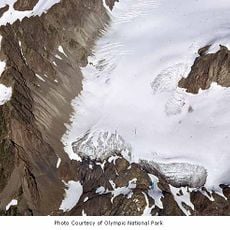
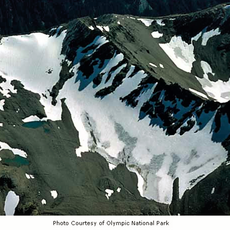
The park's glaciers shrank from 266 in 1982 to 184 by 2009, a loss recorded as the climate warmed. The coastal strip also holds turbidites, layered rocks with white calcite veins, and tectonic mélanges that locals call "smell rocks" for their petroleum odor; some are as large as a house.
The community of curious travelers
AroundUs brings together thousands of curated places, local tips, and hidden gems, enriched daily by 93,772 contributors worldwide.