Alaskan Way Viaduct, Former elevated highway in downtown Seattle, United States
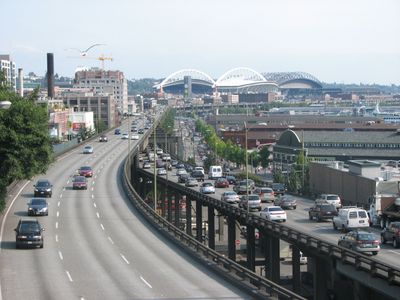
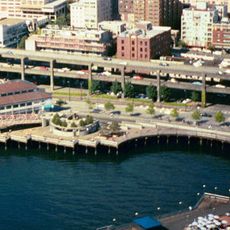
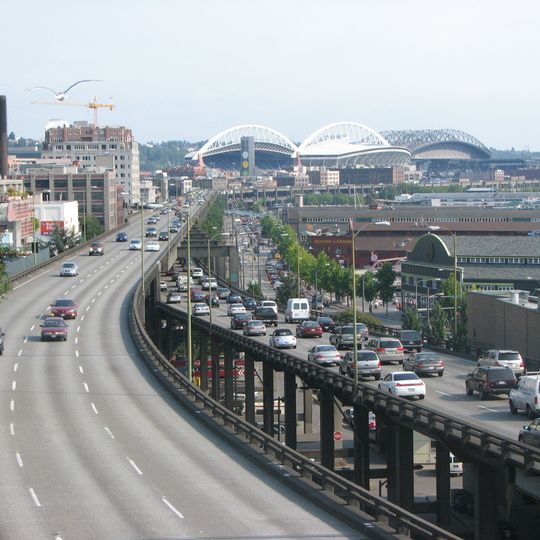
The Alaskan Way Viaduct was a double-deck concrete elevated highway that ran 2.2 miles (3.5 km) along the bay, connecting the southern neighborhoods to the northern downtown area. The upper deck carried northbound traffic while the lower deck served southbound vehicles, both running parallel to the waterfront and spanning above part of the city center.
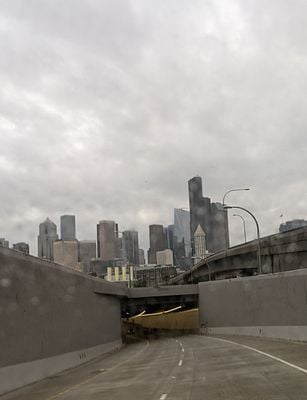
Construction began in 1949 and finished in 1959 as part of State Route 99 to relieve post-war traffic congestion. A major earthquake in 2001 damaged the structure significantly, leading the city to replace it with an underground tunnel that opened in 2019.
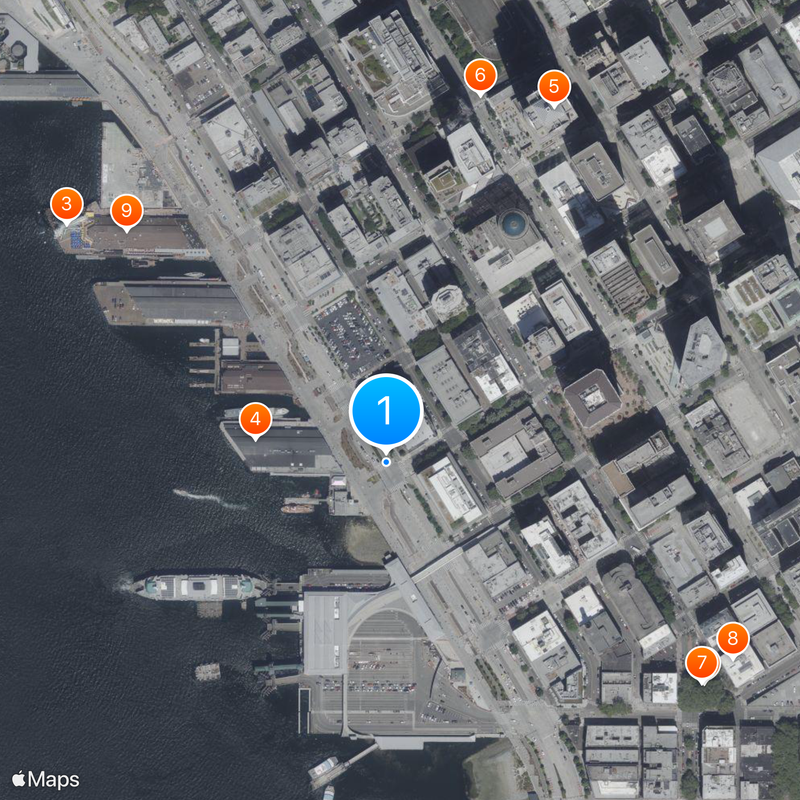
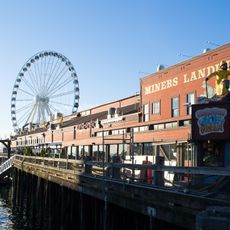
The name refers to the historic waterfront road along Elliott Bay that once formed the main connection between southern and northern neighborhoods. Today photographs and exhibits in nearby museums recall the time when the elevated roadway shaped the skyline and blocked views of the water.
The elevated roadway has been closed since 2019, with all traffic now moving through the new tunnel below downtown. New public space is gradually opening along the former route, providing direct access to the waterfront area that was previously cut off.
Demolition crews recycled 240 million pounds (109 million kg) of concrete and 15 million pounds (6.8 million kg) of steel rebar during removal. Most materials were reused in other regional construction projects rather than sent to landfills.
The community of curious travelers
AroundUs brings together thousands of curated places, local tips, and hidden gems, enriched daily by 91,007 contributors worldwide.