San Joaquin Valley, Agricultural valley in California, United States.
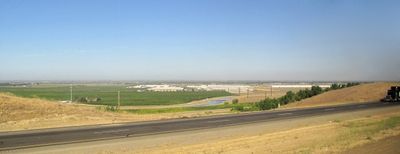
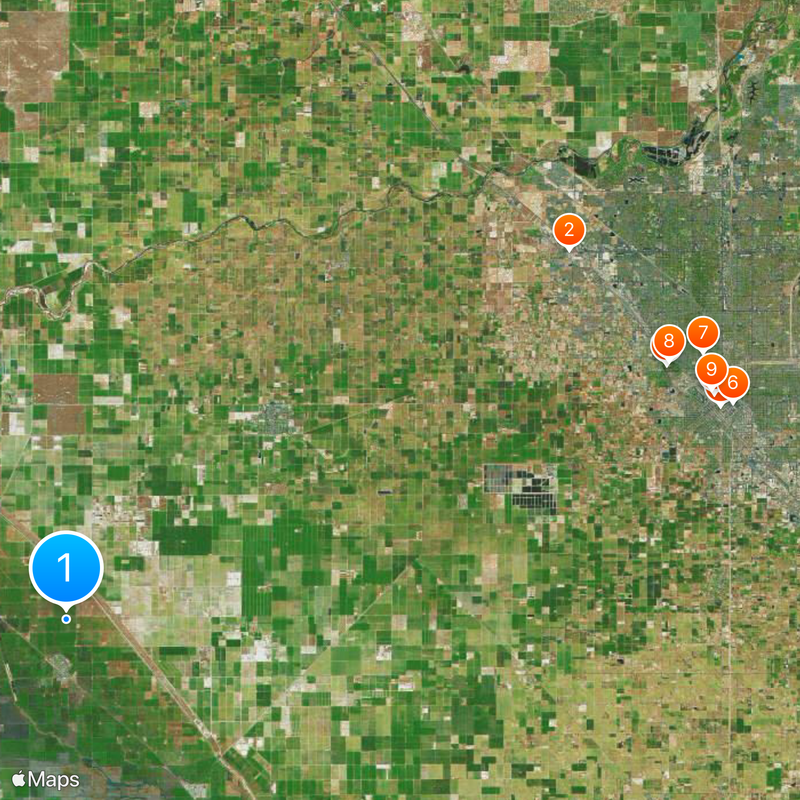
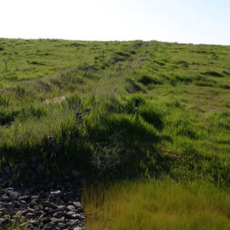
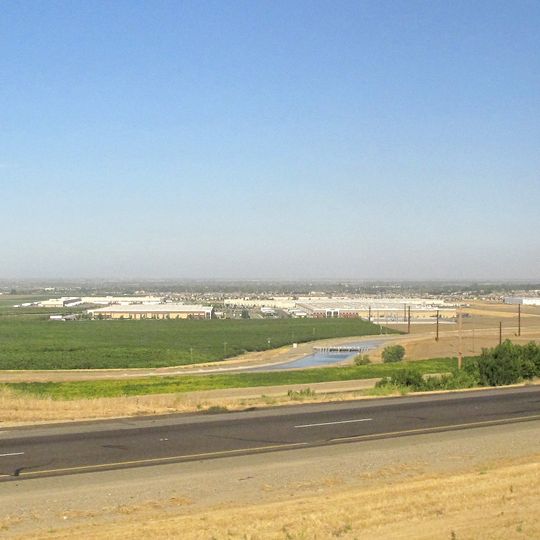
San Joaquin Valley stretches about 450 miles (724 km) between the Sierra Nevada and the California Coastal Ranges, forming the southern half of the Central Valley. Fields, orchards, and irrigation canals define the flat terrain, interrupted by small towns and farmhouses that line the main roads.
Before European settlement, Yokuts and other peoples lived along waterways and wetlands in the valley. Spanish missionaries and later settlers converted the land to pasture and crops during the 19th century, while large irrigation projects in the 20th century enabled today's intensive farming.
The valley's communities maintain a deep connection to agriculture, reflected in weekly farmers' markets, harvest festivals, and local food traditions. Place names and roadside stands reveal the influence of Spanish settlers and the families who have farmed here for generations.
Visiting works best in spring or fall, when temperatures are milder and fields bloom or reach harvest. Travelers should bring enough drinking water, as many stretches between towns offer little roadside infrastructure.
More than 250 crop varieties thrive here, including almonds, grapes, tomatoes, and citrus, together supplying much of America's fruit and vegetable needs. Despite its enormous agricultural output, the valley remains an underappreciated route for many travelers passing between mountain regions.
The community of curious travelers
AroundUs brings together thousands of curated places, local tips, and hidden gems, enriched daily by 60,000 contributors worldwide.