Teakettle Experimental Forest, Experimental forest in Sierra Nevada Mountains, California, US
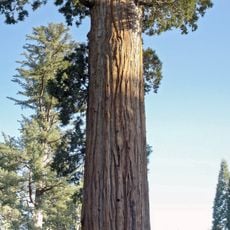
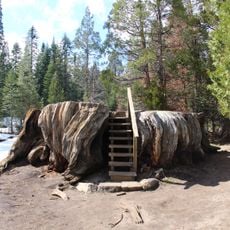
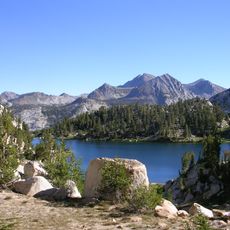
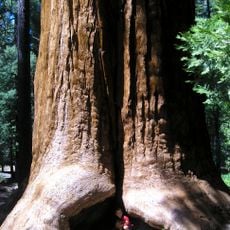
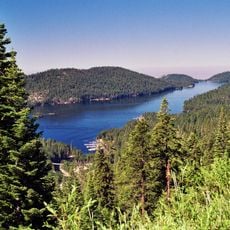
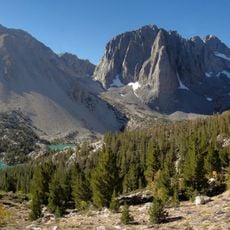
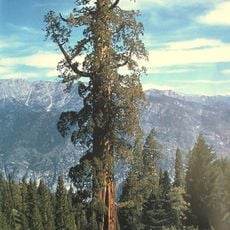
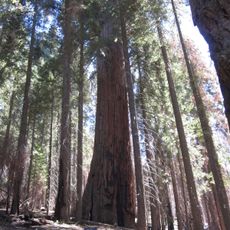
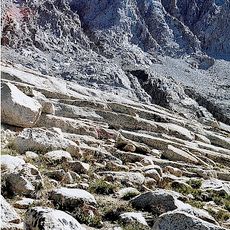
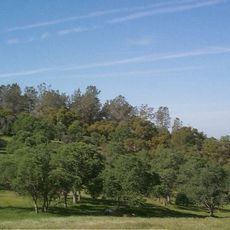
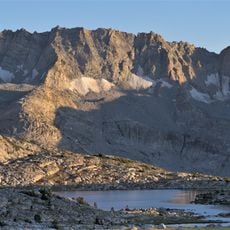
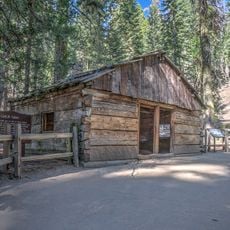
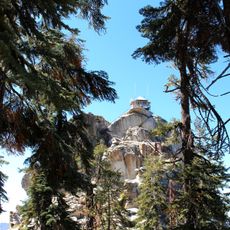
Teakettle Experimental Forest is a research woodland in the Sierra Nevada with mixed conifer and red fir trees at elevations between 2,000 and 2,800 meters (6,500 and 9,200 feet). The site is operated by various agencies as a research station and includes lodging and laboratory facilities for ongoing studies.
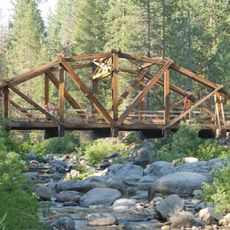
This research area was established in 1938 by federal and state agencies to study how watershed management affects California's Central Valley water supply. Stream gauging stations and sediment basins were built in the 1940s to collect long-term data on water flow patterns.
Scientists from multiple institutions conduct research here to understand how forest management and environmental changes affect woodland health. The findings help develop better management methods for similar forest areas throughout the region.
The site has gated entrances and restricted access, so check in advance about whether visits are permitted. The best time to visit is during warmer months when snow does not block the roads.
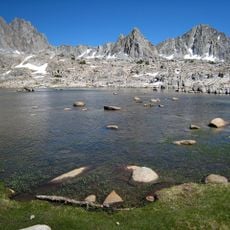
The research area contains five separate drainage zones, each with its own monitoring equipment tracking different water flow patterns. This variety of measurement locations makes the site particularly valuable for understanding water dynamics in mountainous forest landscapes.
The community of curious travelers
AroundUs brings together thousands of curated places, local tips, and hidden gems, enriched daily by 92,711 contributors worldwide.