Project 56, series of 1950s American nuclear tests
Project 56 was a series of nuclear tests conducted in the mid-1950s at the Nevada Test Site, primarily in the Yucca Flat region. The tests involved placing small devices in sealed pits and on the surface to check how nuclear weapons would respond to accidents and physical damage.
The tests took place over two years and included four detonations that examined how nuclear weapons behaved under stress conditions. The findings led to improved safety standards and weapon designs that reduced the risk of accidental explosions in damaged devices.
The site represents a period when nuclear safety was being carefully studied through controlled experiments. The tests helped establish safety protocols and awareness about radioactive hazards that influenced public understanding of nuclear risks in the surrounding region.
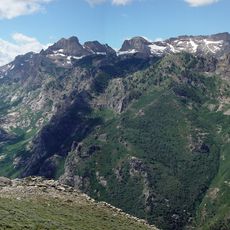
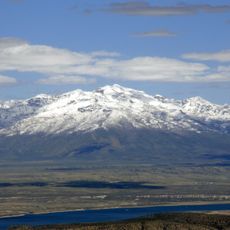
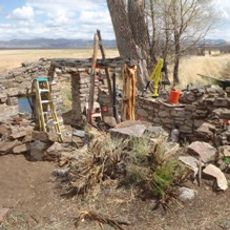
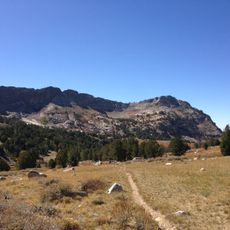
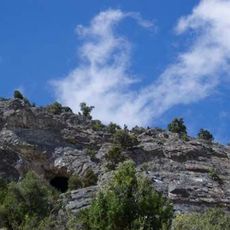
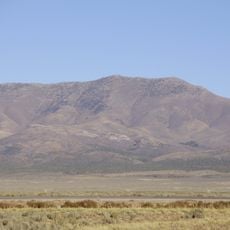
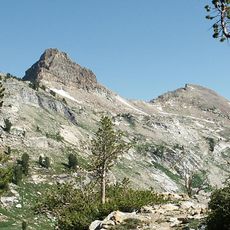
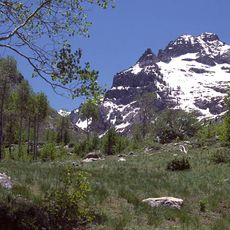
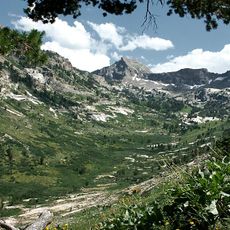
The site is located in Nevada's dry desert region at elevated terrain with clear skies. The area can contain small amounts of radioactive materials from past tests, particularly in former contaminated zones known as Plutonium Valley, so caution and awareness of surroundings is recommended.
Notably, some tests failed to produce nuclear explosions, which was actually the desired outcome demonstrating that safety mechanisms worked as intended. These successful failures proved that weapons would not detonate accidentally and provided confidence in weapon design reliability.
The community of curious travelers
AroundUs brings together thousands of curated places, local tips, and hidden gems, enriched daily by 92,727 contributors worldwide.