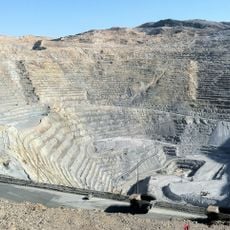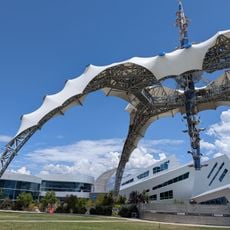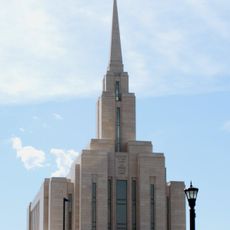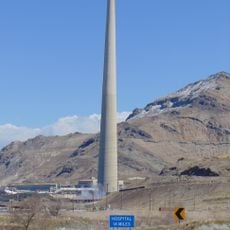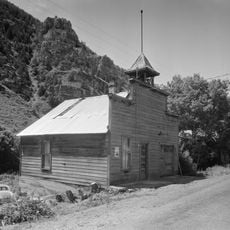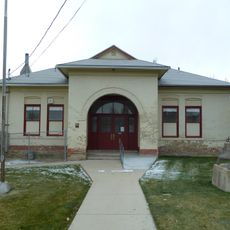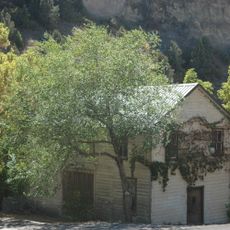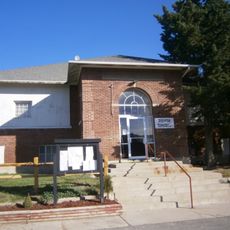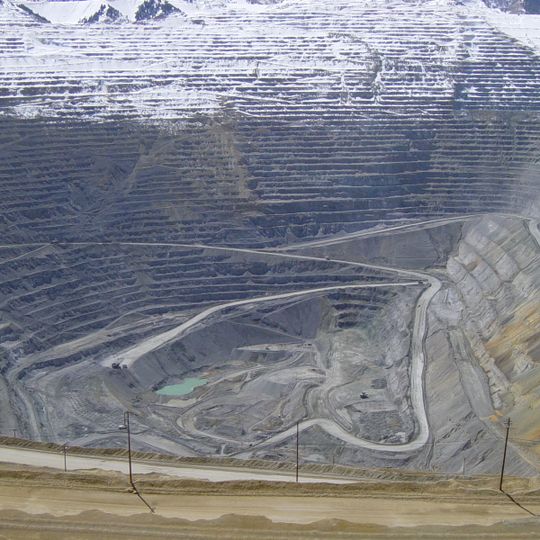
Bingham Canyon Reclamation Project, Environmental art project at Bingham Canyon Mine, Utah.
The Bingham Canyon Reclamation Project is an art installation at an active mining site in Utah featuring four crescent-shaped structures positioned at the mine's base. These pools were designed to capture rainwater and create reflective water surfaces that integrate with the natural geological features of the open pit.
Artist Robert Smithson presented this reclamation design to Kennecott Copper Corporation in 1973 in response to growing environmental concerns about mining operations. The proposal emerged during an era when artists were increasingly engaging with industrial sites as spaces for creative intervention.
The proposal merged industrial mining practices with artistic expression through a rotating observation platform that would display the entire canyon to visitors.
The site is located at the edge of the active Bingham Canyon open pit mine, which restricts visitor access to the area. It is advisable to check current conditions at the mine before visiting, as safety regulations and operational schedules may affect your ability to view the installation.
The project was notable for intending to use acidic yellow water pools as deliberate artistic elements rather than treating them as unwanted mining byproducts. This transformation of industrial waste into visual components demonstrated an innovative approach to artistic responses to environmental damage.
The community of curious travelers
AroundUs brings together thousands of curated places, local tips, and hidden gems, enriched daily by 92,644 contributors worldwide.