Kayenta Formation, Geological formation in southern Utah and northern Arizona, United States.
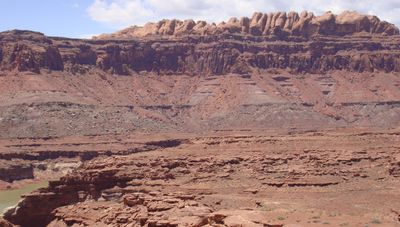
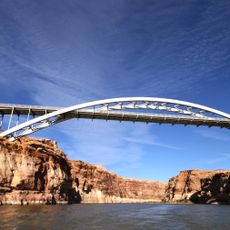
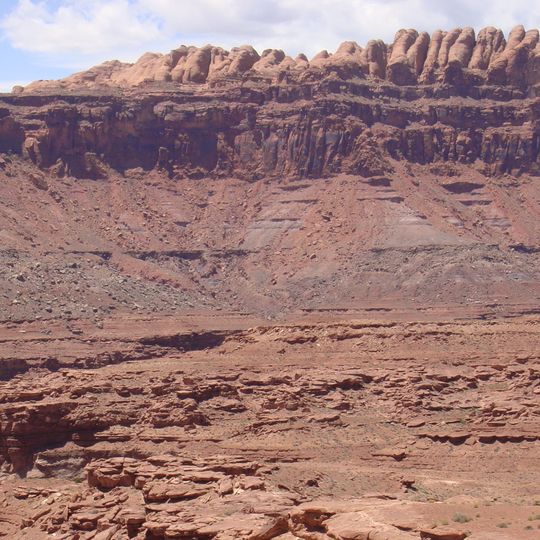
The Kayenta Formation is a geological layer of red and brown sandstone that stretches across Utah, Arizona, Colorado, and Nevada. It sits between the older Wingate Sandstone below and the younger Navajo Sandstone above, creating distinct visible bands when you walk through canyons and national parks.
This layer formed during the Early Jurassic period roughly 200 million years ago in a shallow lake and river landscape. In 1936, geologist A.A. Baker systematically named this formation after studying the Monument Valley and Navajo Mountain region.
Research teams from universities across North America regularly visit the formation to study dinosaur tracks and Early Jurassic period fossils.
You can observe it best in Zion, Capitol Reef, and Canyonlands, where the layers are clearly visible on canyon walls. Visiting is possible year-round, but spring and fall offer the most comfortable hiking conditions.
The layer holds fossilized footprints of early dinosaurs and remains of freshwater creatures like mussels and snails. These discoveries reveal that the region once teemed with ancient water systems where life thrived.
The community of curious travelers
AroundUs brings together thousands of curated places, local tips, and hidden gems, enriched daily by 91,950 contributors worldwide.