Raton Pass, Mountain rail pass between Colorado and New Mexico, United States
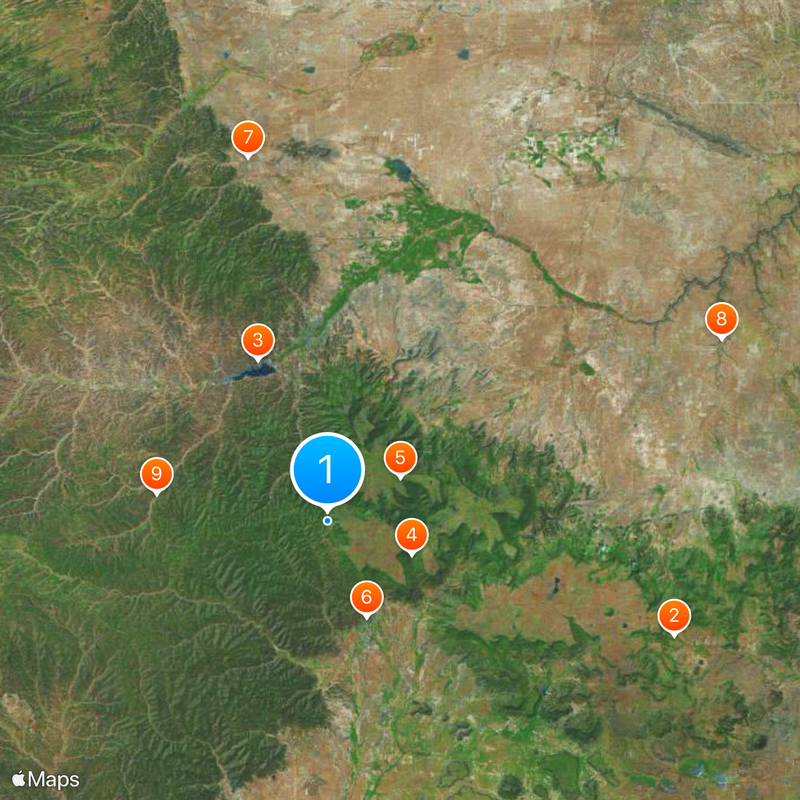
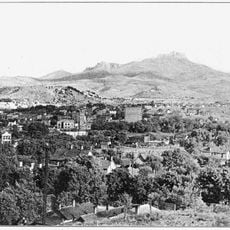
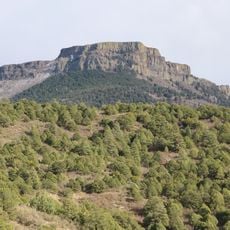
Raton Pass is a rail mountain pass at 7,834 feet (2,387 meters) through the Sangre de Cristo Mountains, linking Trinidad in Colorado with Raton in New Mexico. Both Interstate 25 and the railroad tracks follow the corridor through the forested slopes and open plateaus of the mountain range.
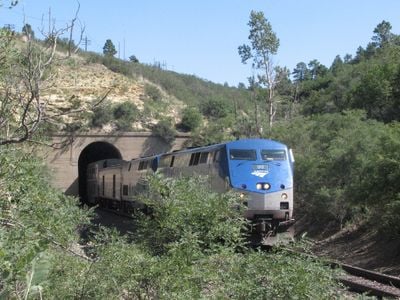
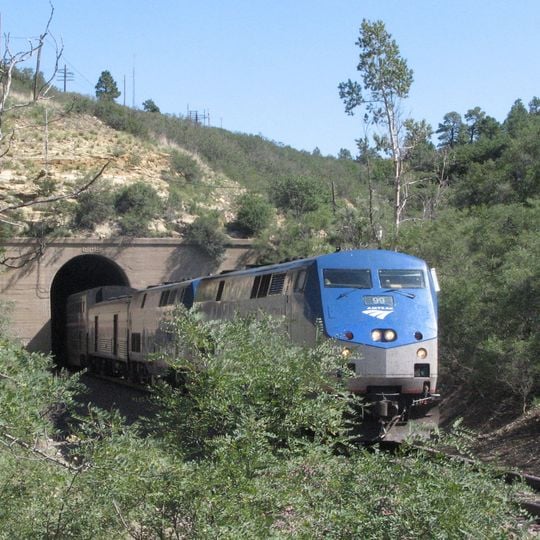
Raton Pass was a landmark on the Santa Fe Trail, the 19th-century route between Kansas City and Santa Fe, and was designated a National Historic Landmark in 1960 for that association. In 1846 Stephen W. Kearny led his troops through the pass toward New Mexico, and Richens Lacey Wootton later turned it into a toll road. In 1878 the Atchison, Topeka and Santa Fe Railway won the Railroad Wars against the Denver and Rio Grande for the crossing, and its tracks reached a tunnel at 7,588 feet just south of the Colorado line.
Raton is Spanish for "mouse," the name given to the pass by travelers along the Santa Fe Trail. The route also appears in popular culture: Townes Van Zandt's 1987 song "Snowin' on Raton" and Clint Black's "The Goodnight-Loving" from his 1990 album both name the crossing.
Interstate 25 and the railroad cross the pass, with winter conditions sometimes requiring careful preparation. Travelers should check weather reports, as snow and wind can occasionally cause delays or temporary closures.
The railroad grade reaches 3.5 percent in New Mexico, making it one of the steepest main line routes in the western United States. Train engineers sometimes add extra locomotives to pull heavy freight over the climb.
The community of curious travelers
AroundUs brings together thousands of curated places, local tips, and hidden gems, enriched daily by 93,846 contributors worldwide.