Spokane Falls, Waterfall system in downtown Spokane, United States
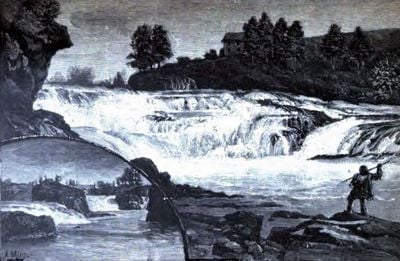
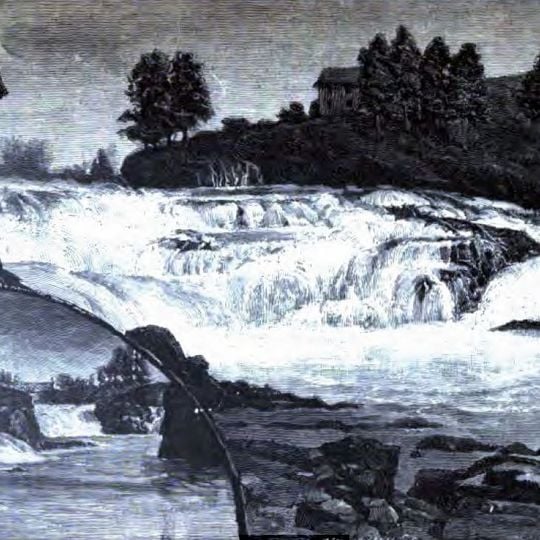
Spokane Falls is a cascade system in the city center where the river descends in two distinct stages over natural rock formations. The channels split the water flow, creating separate visual sections that change in intensity throughout the year.
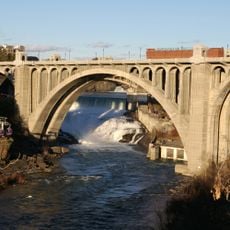
The falls were the site of a large Spokane people village, and the Native American name for them was "Stluputqu", meaning "swift water". The Monroe Street Dam at the Lower Falls was completed in 1890, the first dam built on the Spokane River and now the longest-running hydroelectric facility in Washington state. The Upper Falls Dam, a diversion dam, followed in 1920. The surrounding rail yard was later converted into a city park used as the fairgrounds for the 1974 World's Fair.
The Spokane people called the falls Stluputqu, "swift water," and a large Spokane village stood at the site. The river's north fork splits at Salmon People Island, called snxw meneɂ in Salish, a name still used for the island between the two Upper Falls.
The falls are best viewed from the riverside walkways, pedestrian bridges, and viewing areas that line the river's edge throughout the site. Water flow is greatest in spring and more modest during summer months.
The falls were once the site of a large Spokane people village, and the Native American name for them was "Stluputqu", meaning "swift water". The area around the falls was formerly a rail yard, converted into a city park for the 1974 World's Fair.
The community of curious travelers
AroundUs brings together thousands of curated places, local tips, and hidden gems, enriched daily by 93,780 contributors worldwide.