Yellowstone hotspot, Volcanic hotspot in Wyoming, United States.
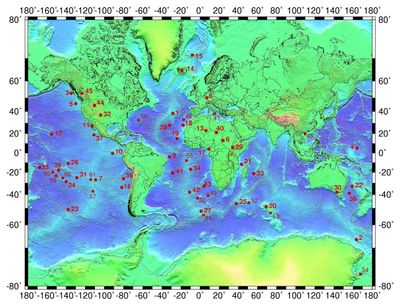
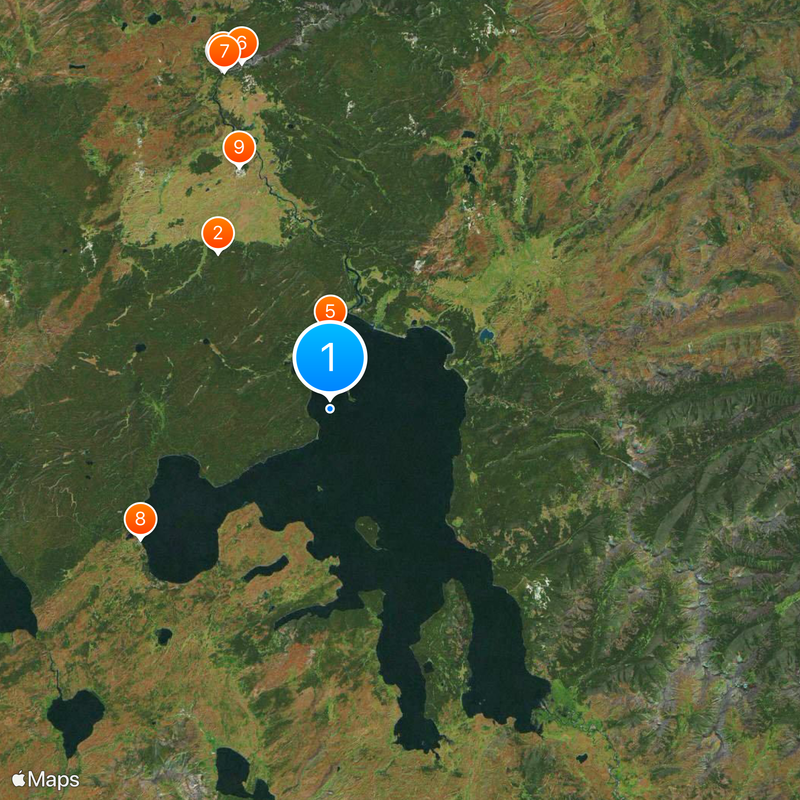
The Yellowstone hotspot is a source of rising magma from deep within the Earth's mantle, now positioned beneath Yellowstone National Park and providing the heat that drives its thermal features. This magma sits in a large chamber several miles below the surface, keeping the famous geysers and hot springs continuously active.
The stationary magma reservoir began its activity beneath the North American plate around 17 million years ago, producing large lava flows in what is now Oregon. As the plate moved southwest over millions of years, the volcanic activity appeared to migrate eastward, reaching its current position beneath Wyoming roughly 2 million years ago.
Native American tribes traditionally regarded the thermal features generated by the hotspot as sacred places for ceremonies and medicinal purposes.
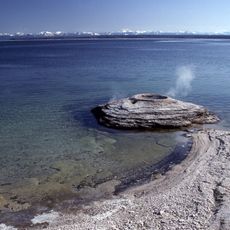
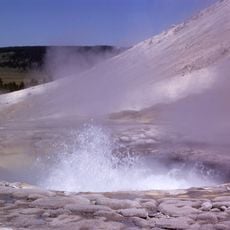
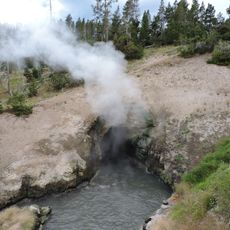
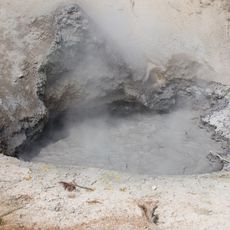
The thermal activity is visible at the surface through hot springs, geysers, and mud pots scattered throughout the park. Scientists use GPS sensors and seismometers to track ground movements and detect shifts in the underground system.
The hotspot remains fixed in the mantle while the North American plate slides over it, leaving a trail of older volcanic centers in its wake. This track stretches more than 500 miles (800 kilometers) from the Snake River Plain in Idaho to the Yellowstone area, showing the direction of plate movement over millions of years.
The community of curious travelers
AroundUs brings together thousands of curated places, local tips, and hidden gems, enriched daily by 91,360 contributors worldwide.