Little Bighorn River, River and battle site in Montana, United States.
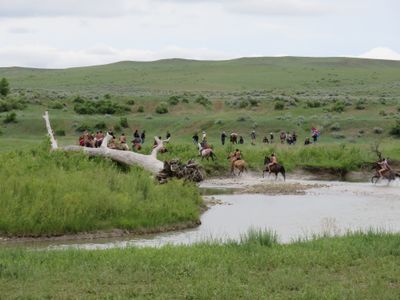
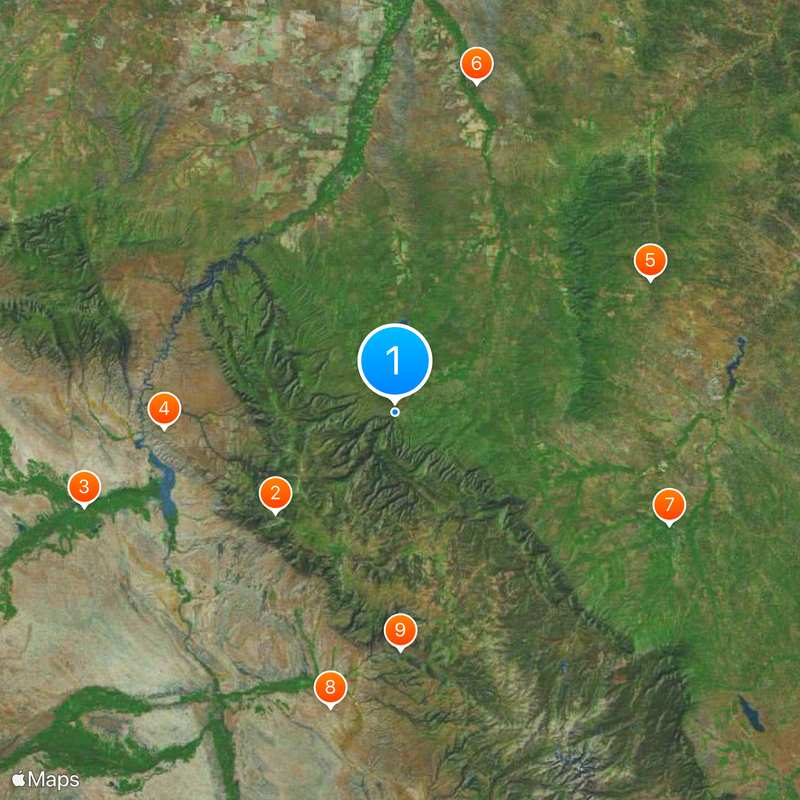
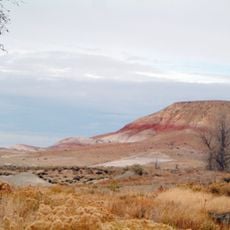
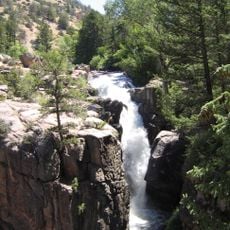
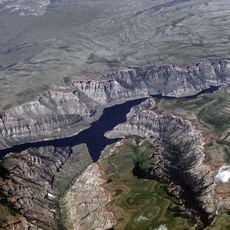
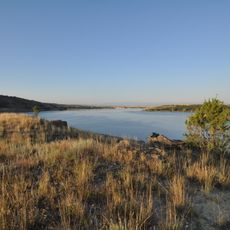
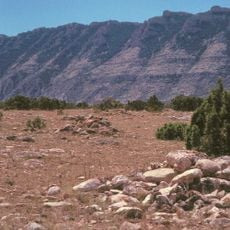
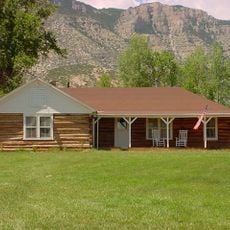
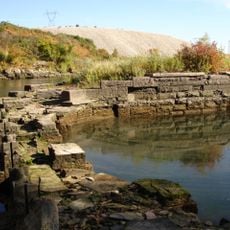
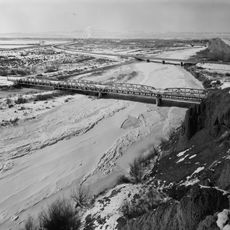
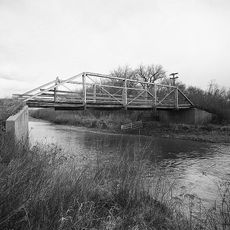
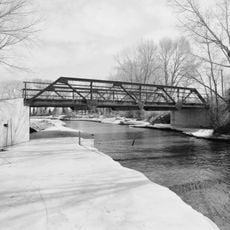
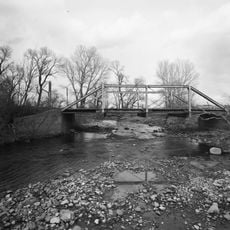
The Little Bighorn River is a waterway that flows roughly 138 miles through Wyoming and Montana before merging with the Bighorn River in the region. The water moves through open plains and rolling terrain, cutting through landscapes shaped by grasslands and scattered woodlands.
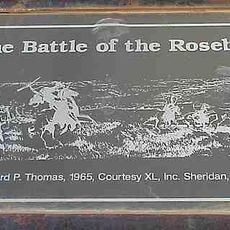
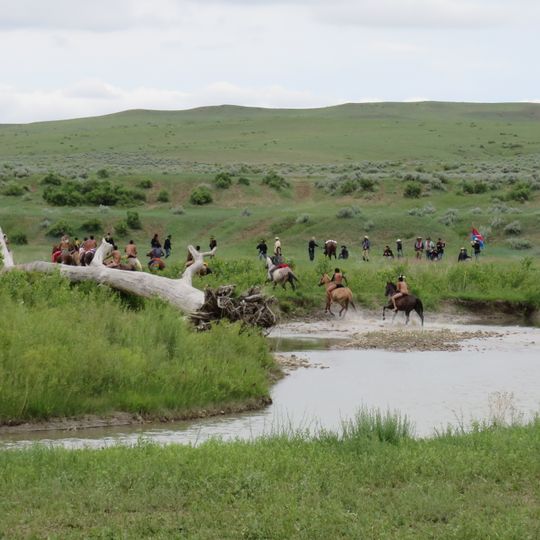
The river is best known as the site of the 1876 Battle of Little Bighorn, where warriors from several Native nations defeated the U.S. Army cavalry unit under Colonel Custer. This clash became a defining moment in the long conflict between American forces and tribal peoples.
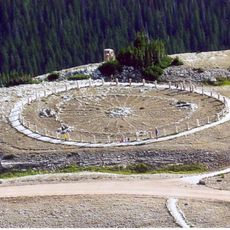
The river holds deep meaning for the Crow people, who gather here for ceremonies and rituals that connect them to their ancestral lands. These practices continue today along the banks, keeping their traditions alive.
Access to the river varies depending on whether you are in Wyoming or Montana, particularly in areas within the Crow Indian Reservation. Visitors planning fishing or other activities should check local regulations and requirements before arriving.
The river originates at Duncum Mountain and flows through a region home to cougars, black bears, and numerous bird species that are adapted to the varied terrain. This wildlife makes the landscape feel remote and wild in a way that draws nature lovers to explore it.
The community of curious travelers
AroundUs brings together thousands of curated places, local tips, and hidden gems, enriched daily by 90,983 contributors worldwide.