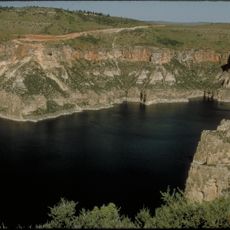
Bighorn Lake, body of water
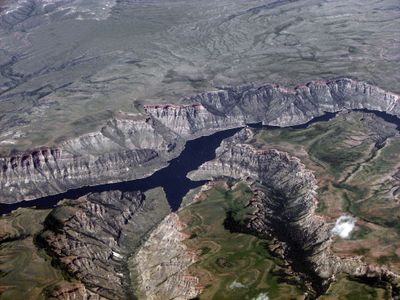
Bighorn Lake is a reservoir behind Yellowtail Dam, within Bighorn Canyon National Recreation Area, in northern Wyoming and extending into southern Montana. At full pool it stretches the entire 72-mile (115 km) length of Bighorn Canyon. The lake has a surface area of 5,574 acres, and the dam keeps the river's streamflow relatively stable with little daily fluctuation.
Bighorn Lake was formed by the 1965 construction of Yellowtail Dam on the Bighorn River near Fort Smith, Montana, impounding the river within Bighorn Canyon. The reservoir stretches the entire 72-mile length of the canyon at full pool and lies about 40 miles south of Billings, Montana.
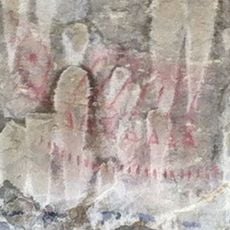
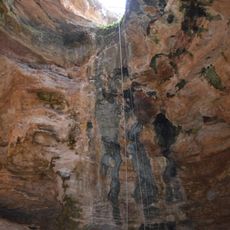
The reservoir takes its name from the Bighorn River and the bighorn sheep of the canyon country; the Yellowtail Dam is named after Robert Yellowtail, a Crow leader. The lake lies within the Bighorn Canyon National Recreation Area, land associated with the Crow (Apsáalooke) people, and the canyon's rock walls hold pictographs and other traces of earlier inhabitants that boaters can look for along the shoreline.
Bighorn Lake stretches the full 72 miles (115 km) of Bighorn Canyon at full pool, with the dam and Fort Smith at the Montana end and the reservoir reaching south into Wyoming. The water level varies with the reservoir, so boat ramps and shoreline access can change through the season. The lake lies about 40 miles (64 km) south of Billings, Montana.
Bighorn Lake reaches the full 72-mile (115 km) length of Bighorn Canyon when the reservoir is at full pool, and its surface covers 5,574 acres. Because Yellowtail Dam regulates the Bighorn River, streamflow stays relatively stable with little daily fluctuation, and the reservoir supports a warmwater fishery.
The community of curious travelers
AroundUs brings together thousands of curated places, local tips, and hidden gems, enriched daily by 94,193 contributors worldwide.