Admiralty Island National Monument, National Monument in Alaska, United States
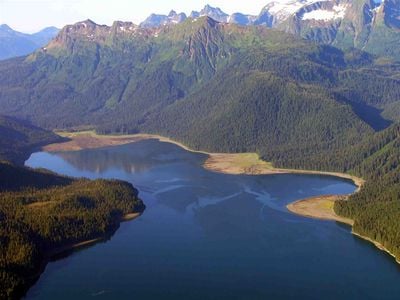
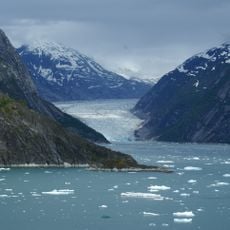
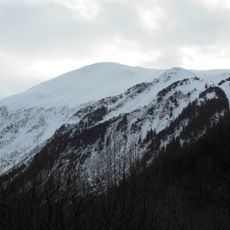
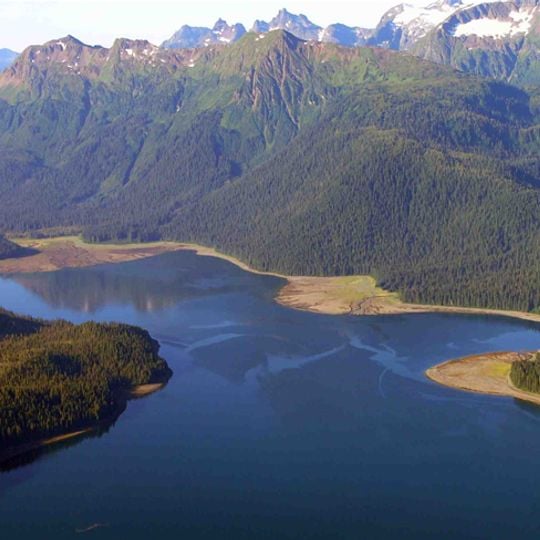
Admiralty Island National Monument is a protected area in the Alexander Archipelago of southeast Alaska, covering most of the island of the same name. The monument is largely covered by old-growth rainforest, with steep mountains rising from the shoreline and many small streams and lakes.
The monument was established in 1978 and later included in the Admiralty Island National Monument and the Tongass National Forest. In 1980, the Alaska National Interest Lands Conservation Act designated much of the island as wilderness, limiting development and logging.
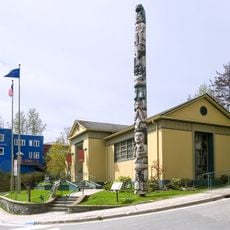
The monument lies within the traditional territory of the Tlingit people, who have lived on and around the island for generations. Visitors can see totem poles and other cultural markers in nearby communities, which reflect the deep connection between the Tlingit and the land.
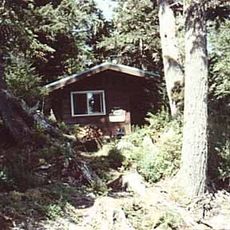
Access to the monument is mainly by boat or seaplane from nearby towns, and there are few facilities, so visitors should plan ahead. The weather can change quickly, and it is wise to bring rain gear and insect repellent, especially in summer.
The island is known for having one of the highest densities of brown bears in the world, and visitors may spot them along salmon streams in late summer. The monument also protects a large stand of ancient trees, some of which are centuries old.
The community of curious travelers
AroundUs brings together thousands of curated places, local tips, and hidden gems, enriched daily by 94,481 contributors worldwide.