Khutzeymateen Inlet, Protected inlet in British Columbia, Canada
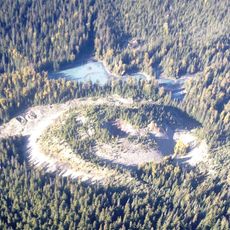
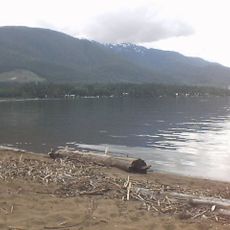
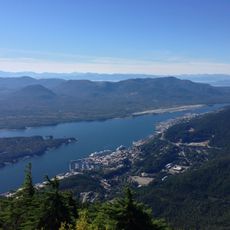
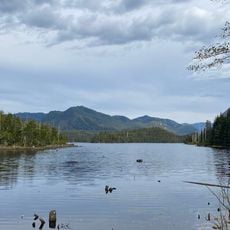
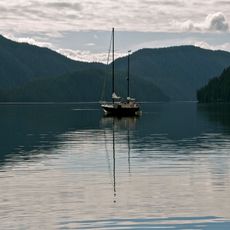
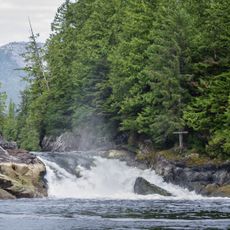
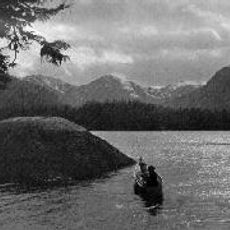
Khutzeymateen Inlet is one of the lesser principal inlets of the British Columbia coast, lying between the mouths of the Skeena and Nass Rivers and north of Work Channel. Its mouth opens onto Steamer Passage, an arm of Portland Inlet, between Keemein Point and Welgeegenk Point, next to Sommerville Island. The Khutzeymateen River feeds the inlet, and the surrounding area forms the Khutzeymateen/K'tzim-a-deen Grizzly Sanctuary.
Khutzeymateen Inlet was first charted in 1793 by James Johnstone and Robert Barrie, officers on George Vancouver's 1791–95 expedition. The inlet and the land around it later became part of the Khutzeymateen/K'tzim-a-deen Grizzly Sanctuary, the first area in Canada protected to preserve grizzly bears and their habitat.
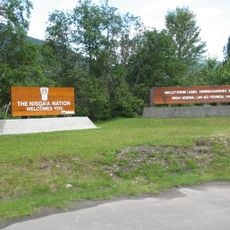
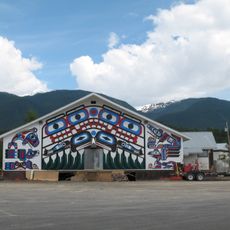
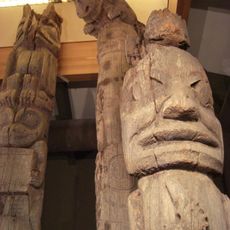
The inlet's Tsimshian name, K'tzim-a-Deen, comes from the language of the Gits'iis people, and the alternate spelling K'tzim-a-Deen is used for the grizzly sanctuary. The nearest community is Lax Kw'alaams, formerly Port Simpson, home to many Tsimshian people. The name is the main Tsimshian element a visitor encounters on charts and signs.
Access is by boat through Steamer Passage, the arm of Portland Inlet beside Sommerville Island; the entrance lies between Keemein Point and Welgeegenk Point. The nearest community is Lax Kw'alaams, formerly Port Simpson. The inlet is fed by the Khutzeymateen River, so plan around tidal and river conditions and bring rain gear and warm layers.
The inlet takes its name from the Tsimshian name K’tzim-a-Deen, used by the Gits'iis people. Its mouth opens onto Steamer Passage beside Sommerville Island, with the entrance between Keemein Point and Welgeegenk Point. More than 50 grizzlies frequent the Khutzeymateen River and the inlet's shores, alongside wolves, moose, orcas and humpback whales.
The community of curious travelers
AroundUs brings together thousands of curated places, local tips, and hidden gems, enriched daily by 94,046 contributors worldwide.